
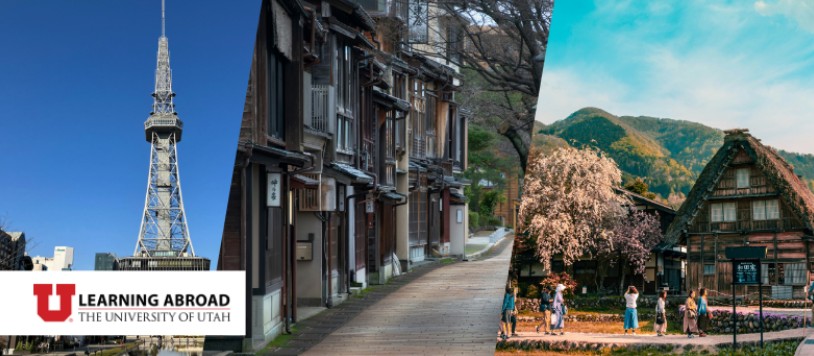
Hands-on Japan trip in summer 2026: now enrolling by Feb 15!
Join DesignBuildUTAH@Bluff Co-Director Hiroko for an architectural journey from Tokyo to Wajima. Open to students, alumni, and the general public (18+), this course explores the intersection of modern design and tradition.
The trip culminates in several days of hands-on recovery work in Wajima, offering a profound look at resilience two years after the Noto earthquake.
Special Focus: The Hokuriku Region in Japan
The Hokuriku region of Japan offers an unparalleled learning ground for designers and architects. From ancient structural ingenuity to cutting-edge contemporary design, this area challenges us to think about how buildings interact with nature and society.
1. Shirakawa-go: The Logic of “Gassho-zukuri.”
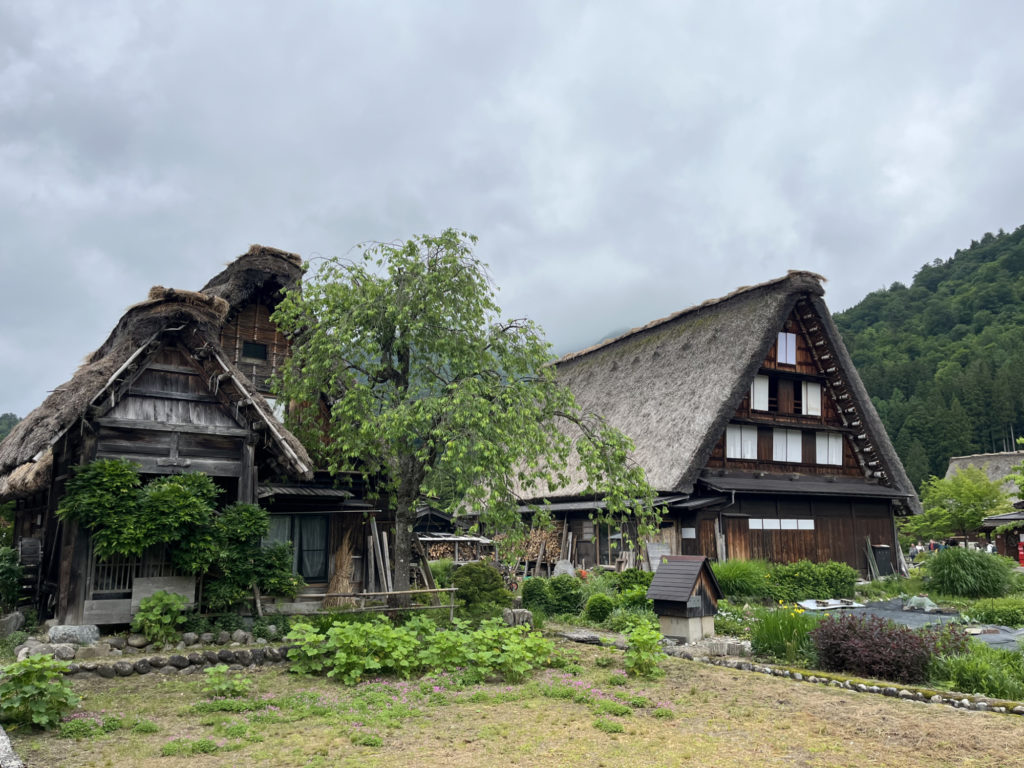
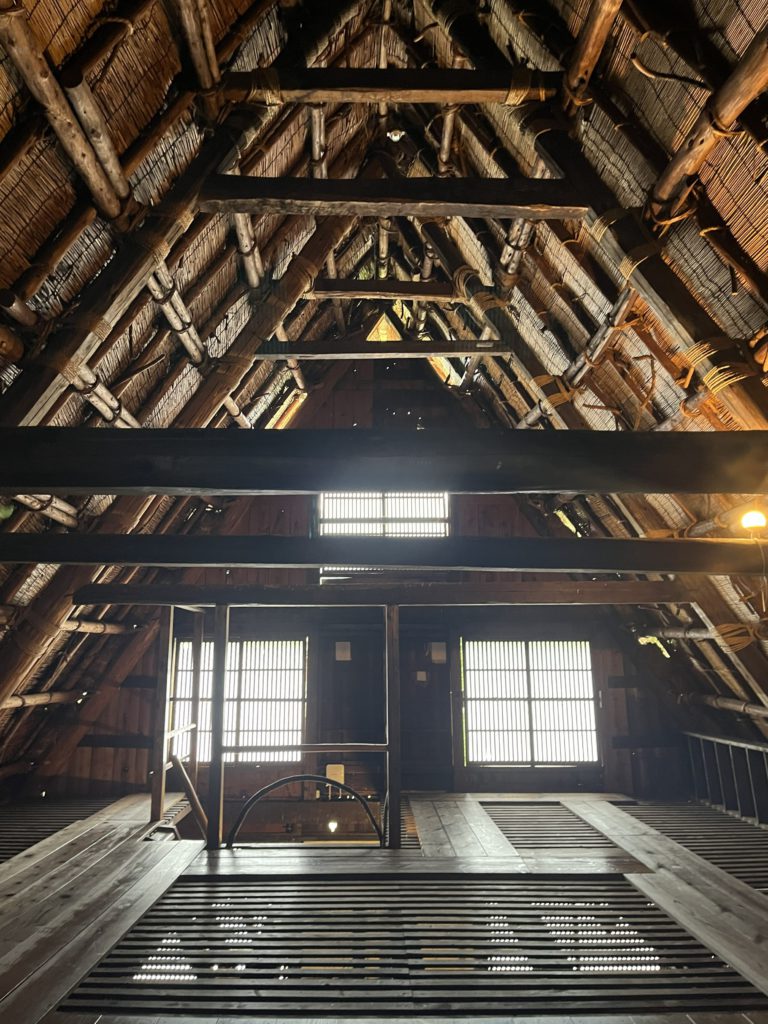
The charm of this World Heritage site goes far beyond mere nostalgia. It represents a masterclass in structural beauty designed to withstand one of the world’s harshest climates, with snow depths often exceeding 6 feet.
- The “Yui” System: The massive thatched roofs are replaced through a collective effort by the entire village. Observe the details to understand how architecture is sustained not by “individuals,” but by a community-driven ecosystem.
- The Art of Flexible Joinery: Utilizing a “pin-connection” philosophy, these structures use ropes and neso (witch hazel branches) instead of nails. This allows the frame to flexibly absorb seismic energy and the immense weight of winter snow.
2. Kanazawa: Where Tradition Meets the Avant-Garde
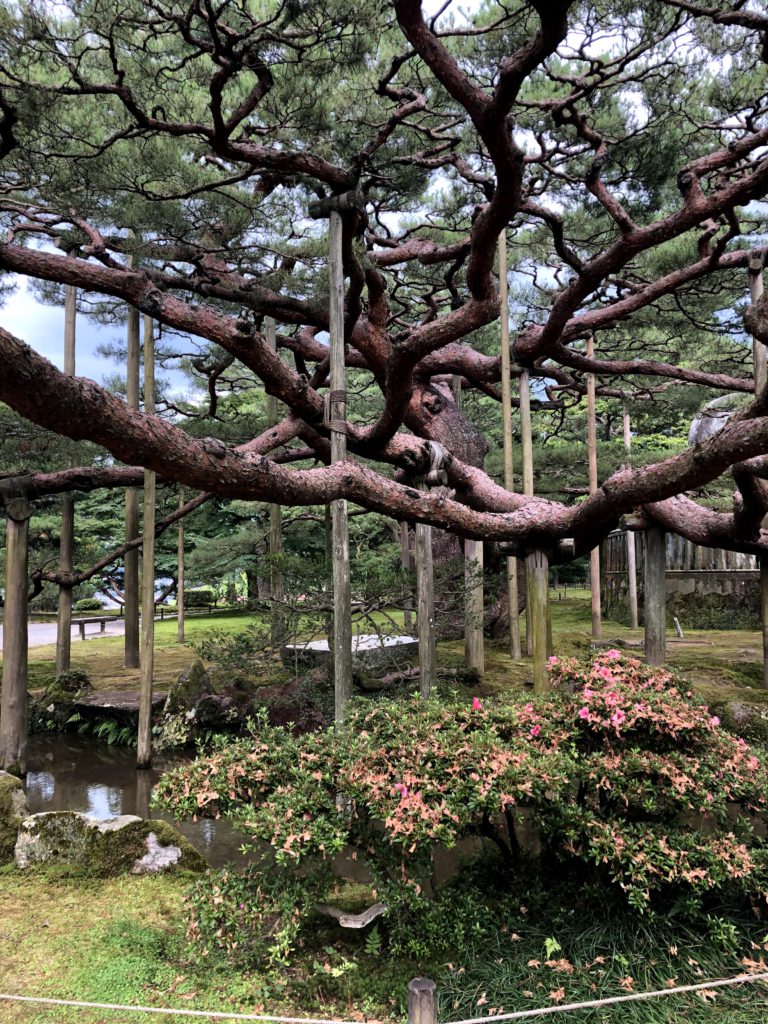
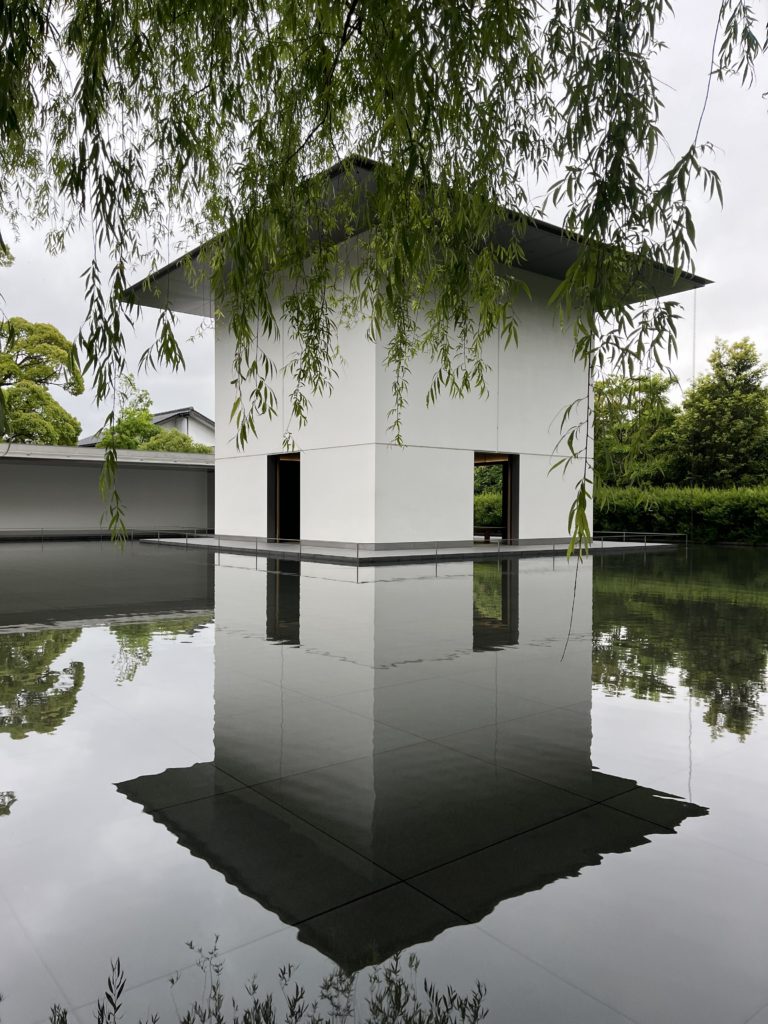
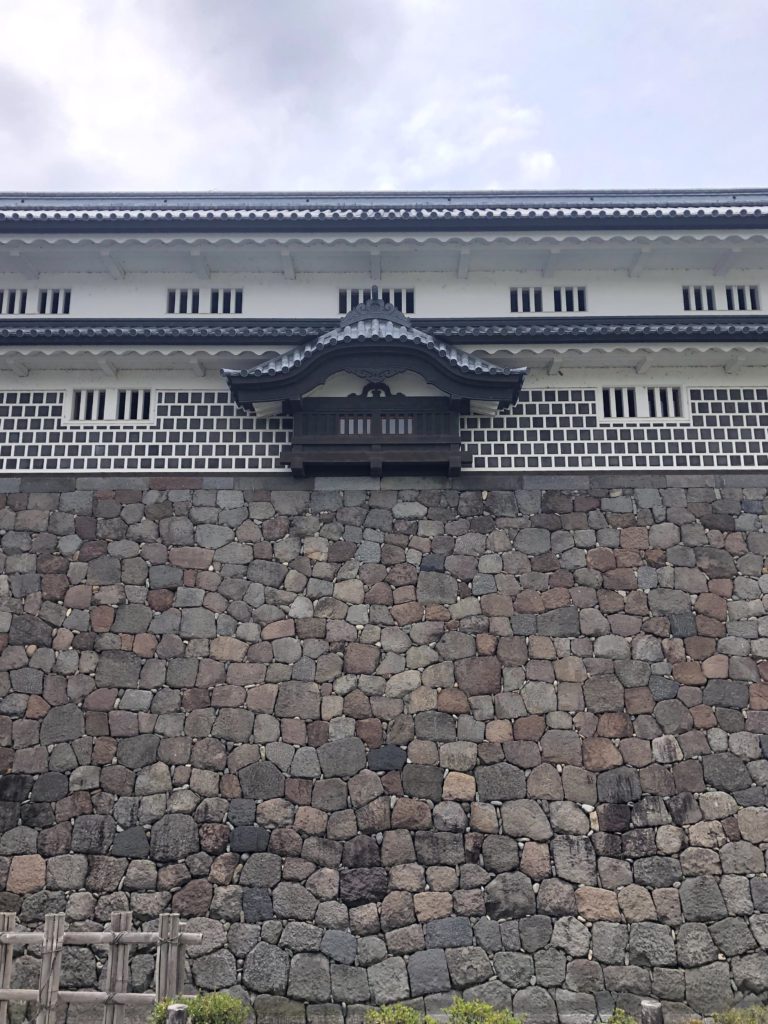
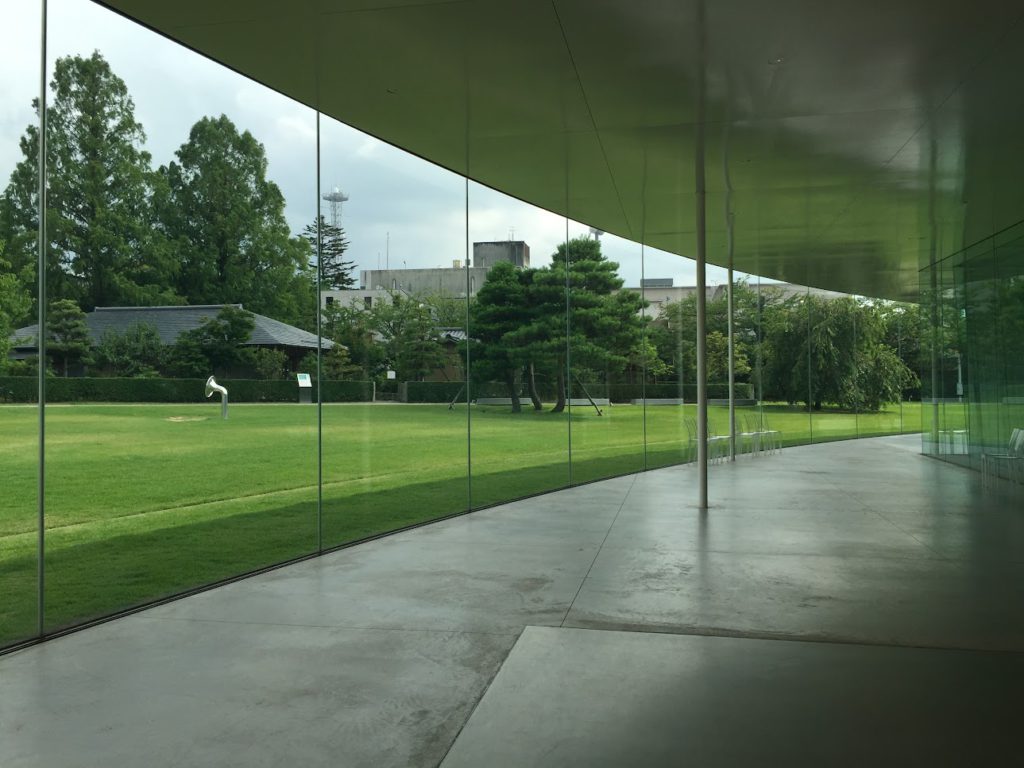
In Kanazawa, the dialogue between history and modernity is palpable. The city serves as a dense cluster of architectural landmarks:
- Historical Legacy: Explore the formal rigor and spatial hierarchy of Kanazawa Castle and Kenroku-en Garden etc.
Contemporary Icons: Study the “boundary-less” philosophy of the 21st Century Museum of Contemporary Art, Kanazawa (designed by SANAA) and the profound minimalism of the D.T. Suzuki Museum (Yoshio Taniguchi)etc.
3. Noto Today: A “Creative Challenge” for Reconstruction
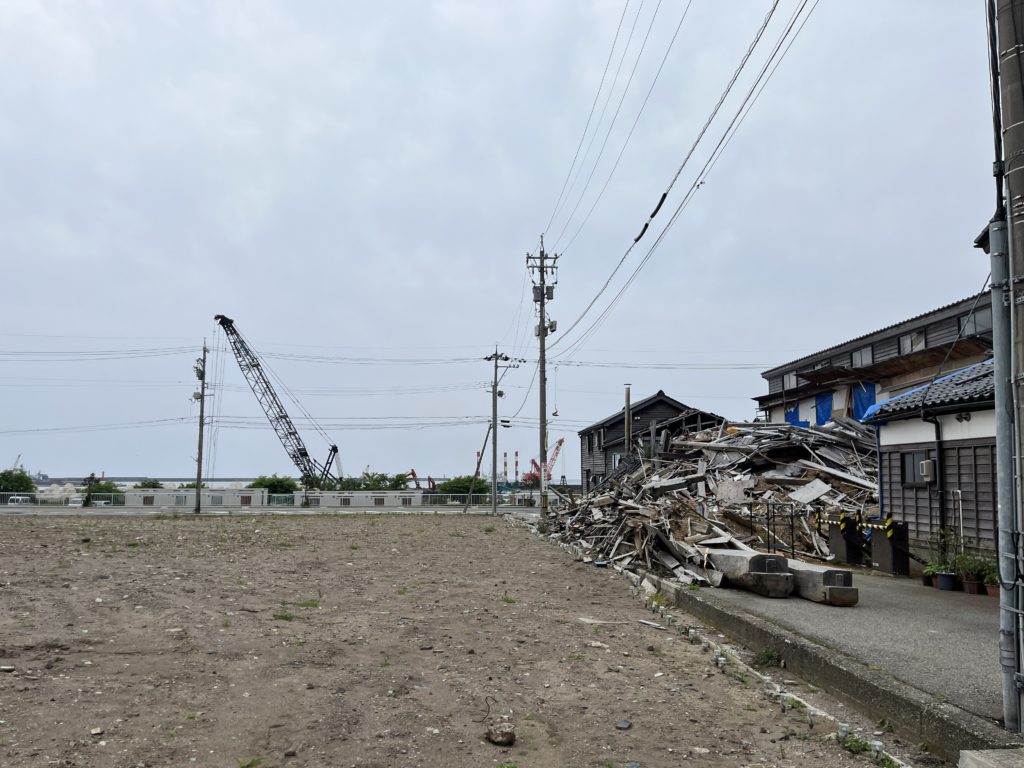
Two years have passed since the 2024 Noto Peninsula Earthquake. While critical infrastructure has been restored, the recovery has entered a new, complex phase. As public demolition reaches its peak, empty lots are becoming prominent in cities like Wajima, marking the beginning of projects aimed at defining a new way of living.
The Hands-on Project in Wajima
This is a rare opportunity to move beyond the drawing board. By engaging in physical, hands-on recovery work, you will experience the fundamental role of architecture—one that lies beneath the surface aesthetics. You will learn how space can heal, support, and rebuild the social fabric of a community.
Class Title: Traditional Japanese Architecture in Rural Japan
Dates: May 30 – June 9, 2026 (11 days). Participants may add private travel before or after the program. Mandatory online information sessions will be held in early May.
Visit Location: Tokyo, Nagoya, Shirakawago, Kanazawa, Wajima
Capacity: 15 people
Enrollment: If you are not a current University of Utah student, you must apply as a non-credit student through the University of Utah system once
Application Deadline: February 15, 2026
Cost, more details, and Application Link: [here]
For more details or to ask questions, please email Hiroko at hiroko@arch.utah.edu