News from Japan: Hands-on Exploration in Traditional Japan (Part 1)
This summer, the University of Utah launched its new study program, "Hands-on Exploration in Traditional Japan," held right here in Japan. From Hiroko's perspective as the Co-director of DesignBuildUTAH, this program in Japan shares a deeply rooted connection with our initiatives back in Bluff. Both programs target rural areas and center around the core concept of learning deeply from the community through hands-on activities, while simultaneously creating a positive impact on the local society. I planned this project in Japan with the hope that these two programs would generate mutual synergies.
We will share our report on the program in two parts. For this first installment, we would like to introduce the initial half of the class: our travel and research journey from urban centers to mountainous regions.
Utilizing Existing Building Stock and Base-Isolation Structures: Tokyo
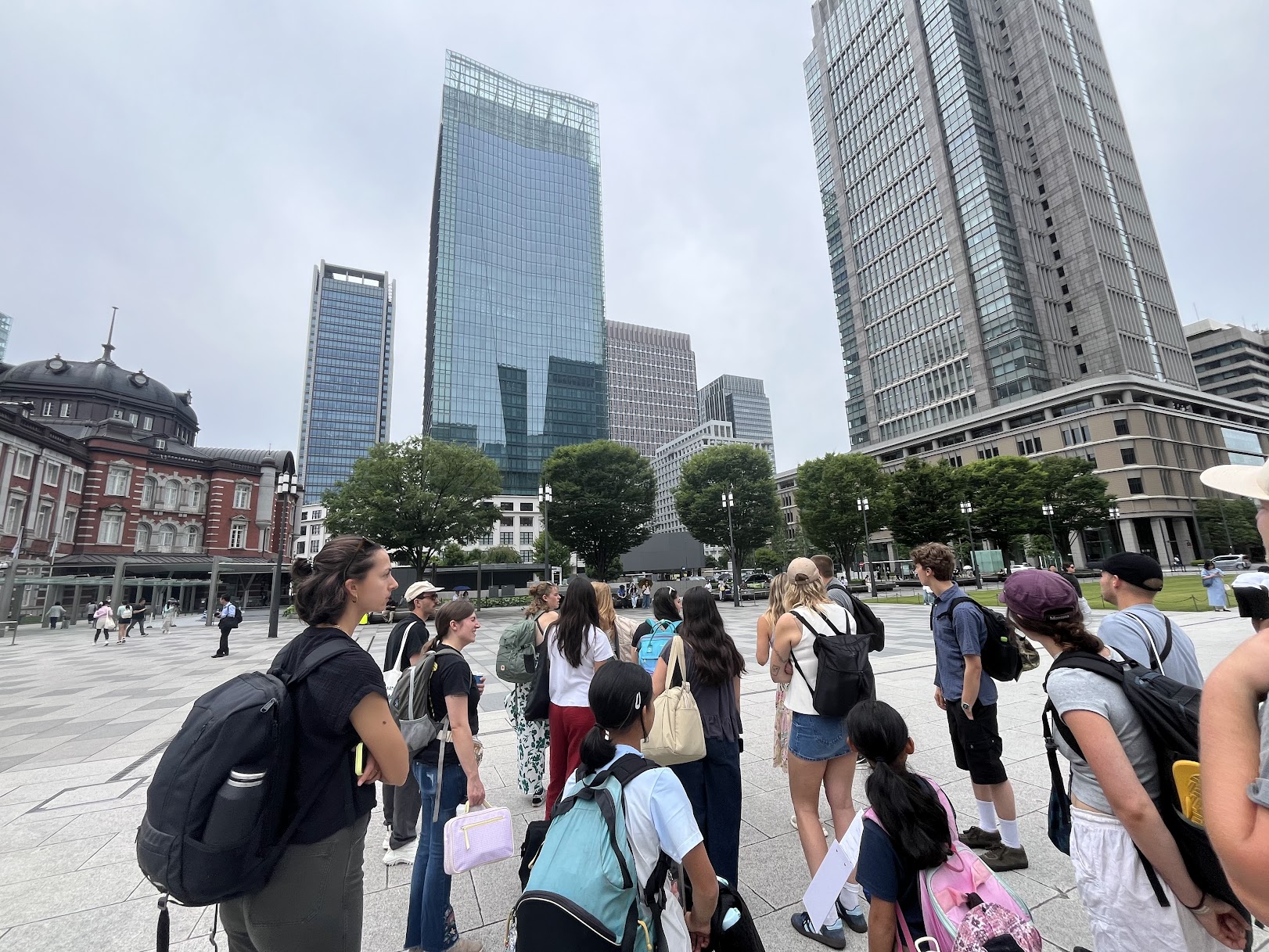
Our 11-day program began in Tokyo, a major Japanese metropolis. To learn about utilizing existing building stock—a critical theme in the current Japanese architectural industry—we toured renovation projects such as Tokyo Station and KITTE. By studying these examples, which preserve historic landscapes and value while incorporating state-of-the-art seismic isolation structures to withstand disasters, we learned modern methods for updating architecture.
The Geographical Connection and Challenges of Domestic Timber: From Nagoya to Kanazawa
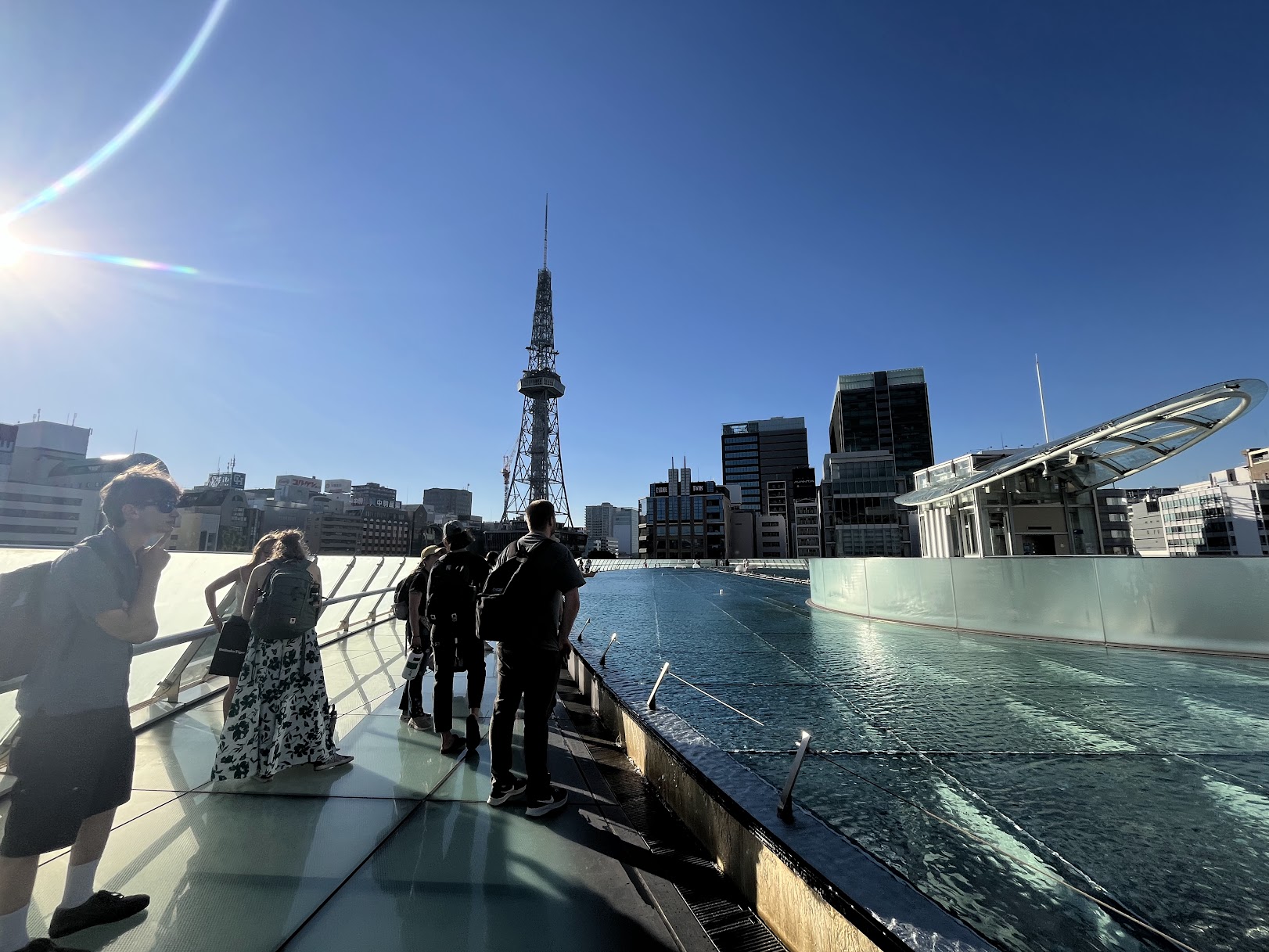
After taking the Shinkansen from Tokyo to Nagoya, we followed a route that crossed and headed north up the Japanese archipelago: moving from Nagoya on the Pacific side, through mountainous Gifu, and finally to Kanazawa on the Sea of Japan coast. The purpose of this route was to understand the geographical connections between the forest areas where domestic timber is produced and the castle towns where these materials were historically transported downriver and consumed.
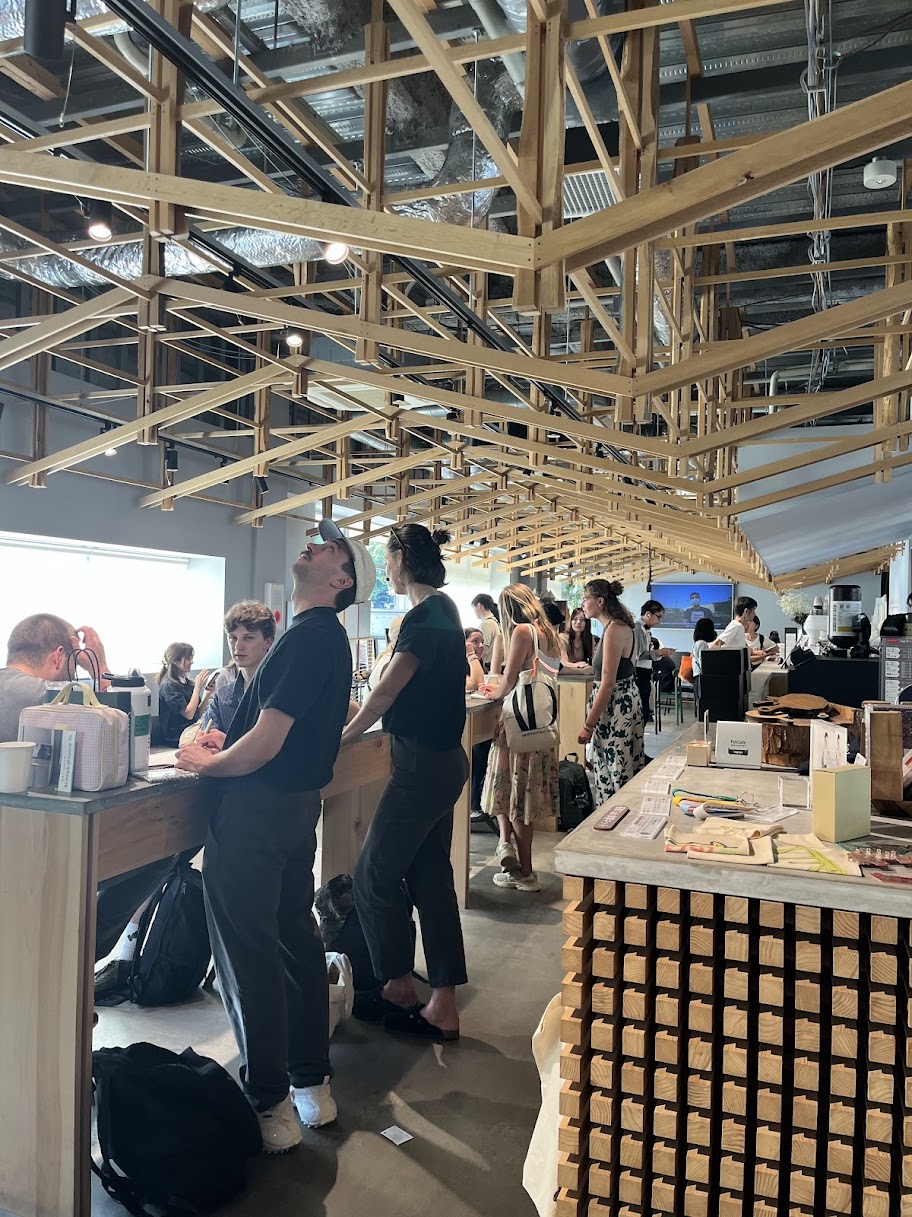
In Nagoya, we visited "FabCafe Nagoya," a project completed by Hidakuma, to learn about the challenges currently facing domestic timber. Experiencing the cafe space, beautifully finished with interior woodwork made from hardwoods and off-cuts, allowed us to deepen our understanding of the relationship between Japanese forest culture and architectural materials.
The Contrast of Tradition and Modernity: Shirakawa-go and Kanazawa
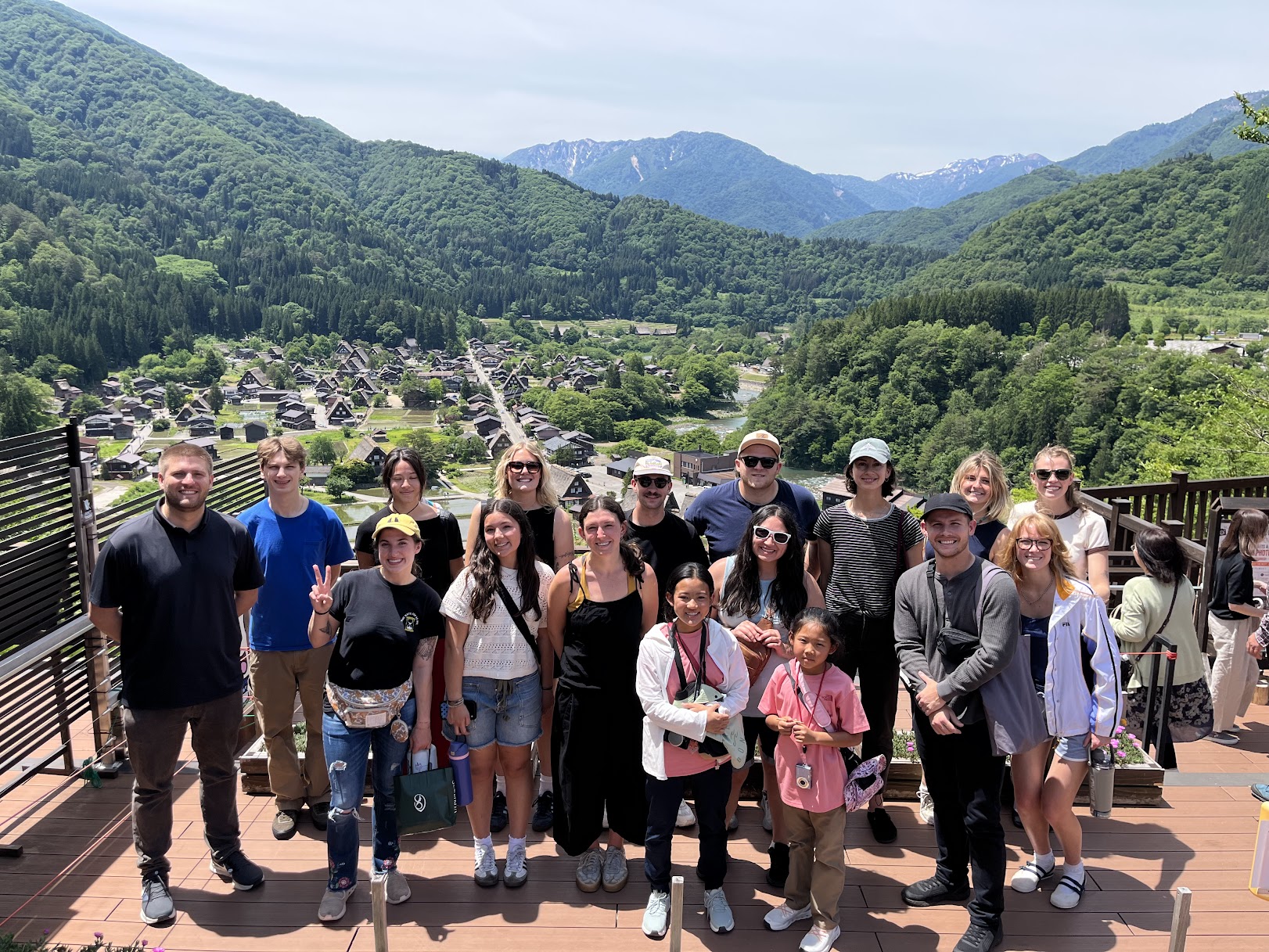
Leaving Nagoya behind, we visited the UNESCO World Heritage site of Shirakawa-go. Here, we observed the traditional thatched-roof Gassho-zukuri villages adapted to harsh natural environments. We thoroughly enjoyed learning about the Yui community collaboration system that gave birth to this architecture, sericulture (silk farming), the structural designs necessitated by heavy snowfall, and the village landscapes.
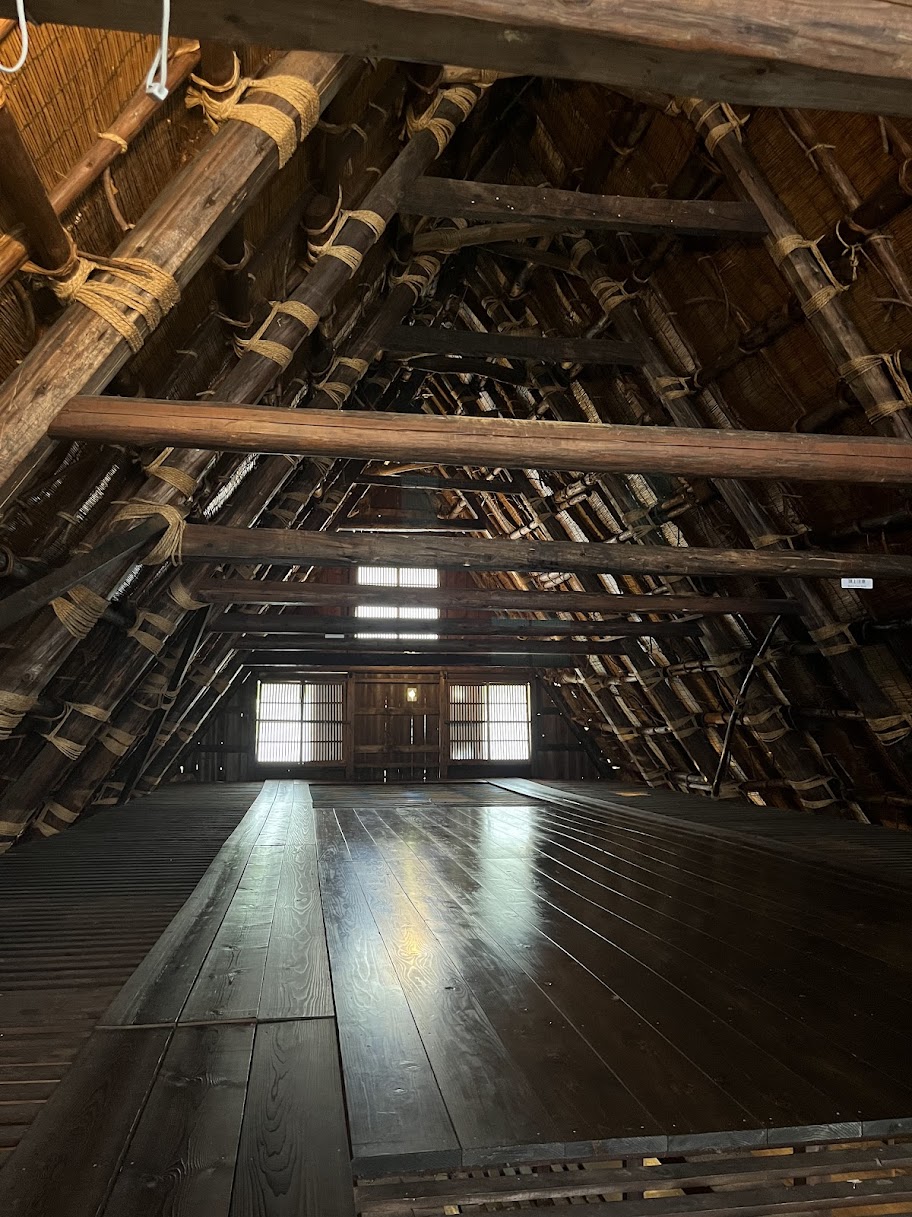
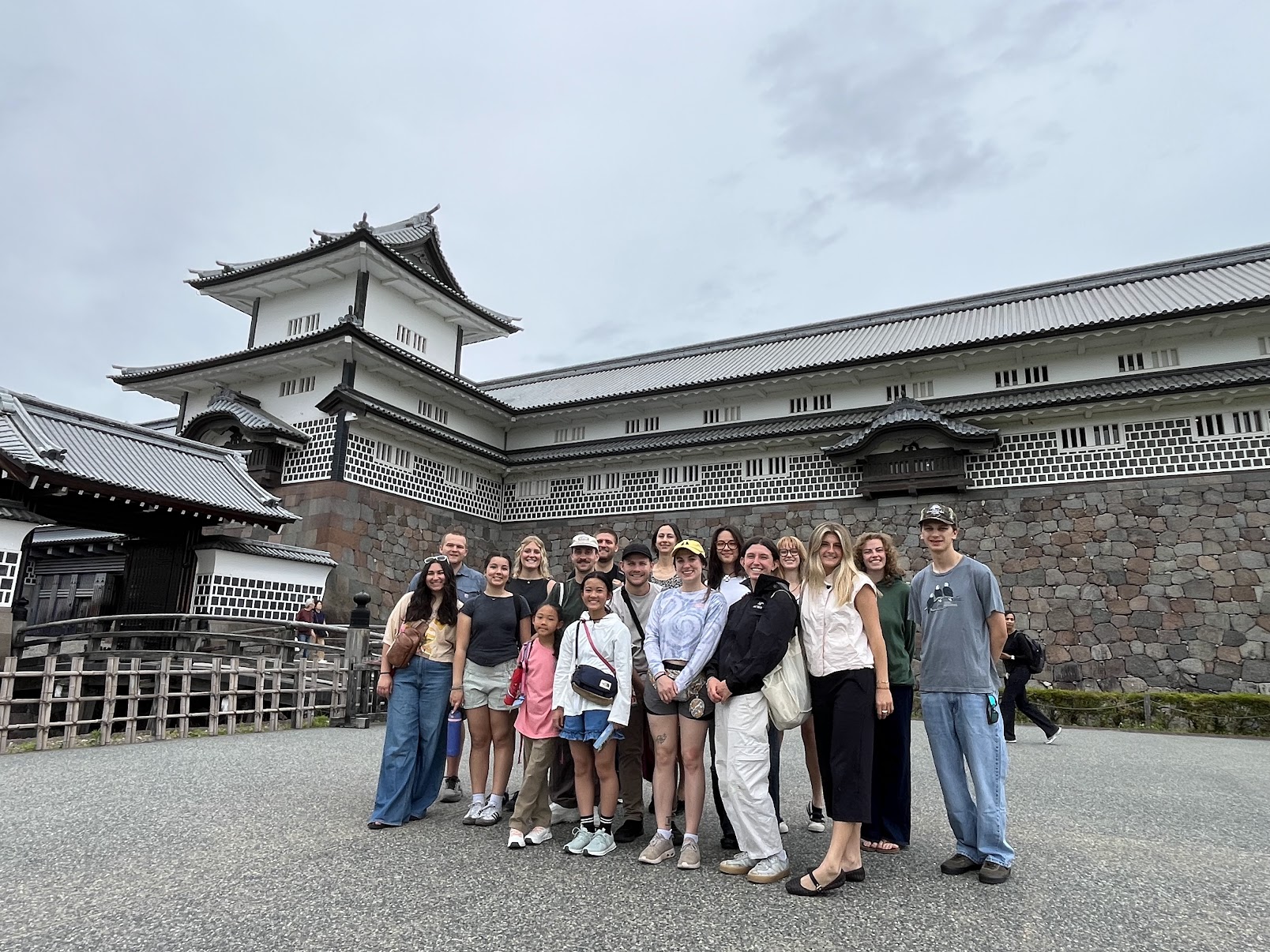
Upon arriving in Kanazawa, we toured the center of the city, visiting the reconstructed Kanazawa Castle—which offers a valuable look into traditional construction techniques—and the adjacent Kenroku-en, one of Japan's three great gardens. We then enjoyed a unique urban environment where beautifully preserved historic Edo-period streets (such as the castle area and samurai districts) seamlessly coexist with contemporary modern architecture like the 21st Century Museum of Contemporary Art, designed by SANAA. We also sampled the fresh seafood unique to Kanazawa.
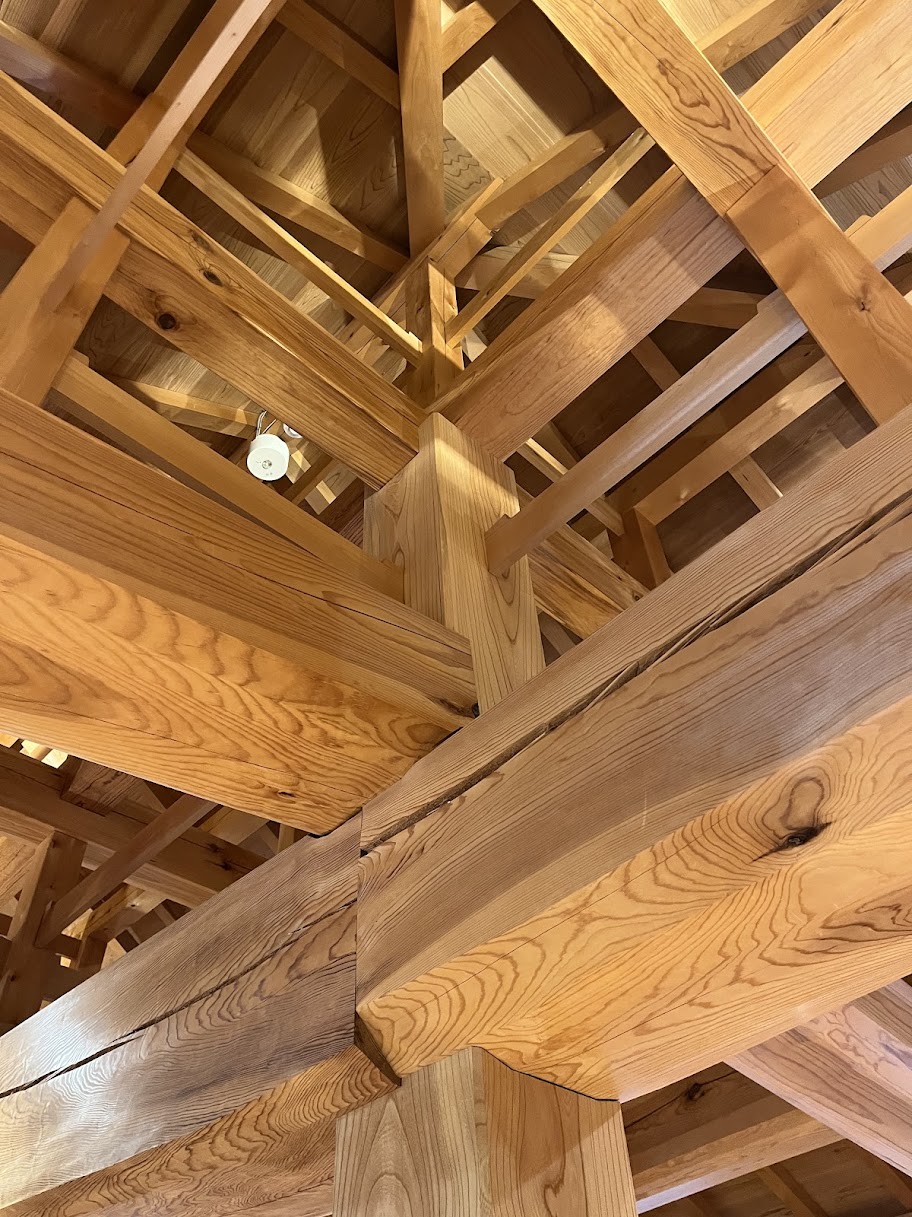
Having absorbed the diversity of Japanese architectural culture and materials through the first half of their travels, the students finally headed to the Noto Peninsula and Wajima for the practical, hands-on activities that we will cover in the second part of this report. Please look forward to it!