News from Japan: Hands-on Exploration in Traditional Japan (Part 2)
When we left you at the of Part 1 of this study abroad class in Japan, our group had just traced the Japanese architectural sightseeing from Tokyo's renovated landmarks, downtown in Nagoya, the thatched villages of Shirakawa-go and traditionals in the Kanazawa. Now comes the part of the journey we've been most excited to share: we packed up, said goodbye to the sightseeing route, and headed for Wajima, on the Noto Peninsula — to get our hands dirty.
A quick reminder of why this program exists at all: as directors of DesignBuildUTAH, we see our work in Japan and our work in Bluff, Utah as two halves of one idea. Both live in rural places. Both learn from a region through hands-on work — and try to create something positive energy. I hope is that each inspires and improves the programs better.
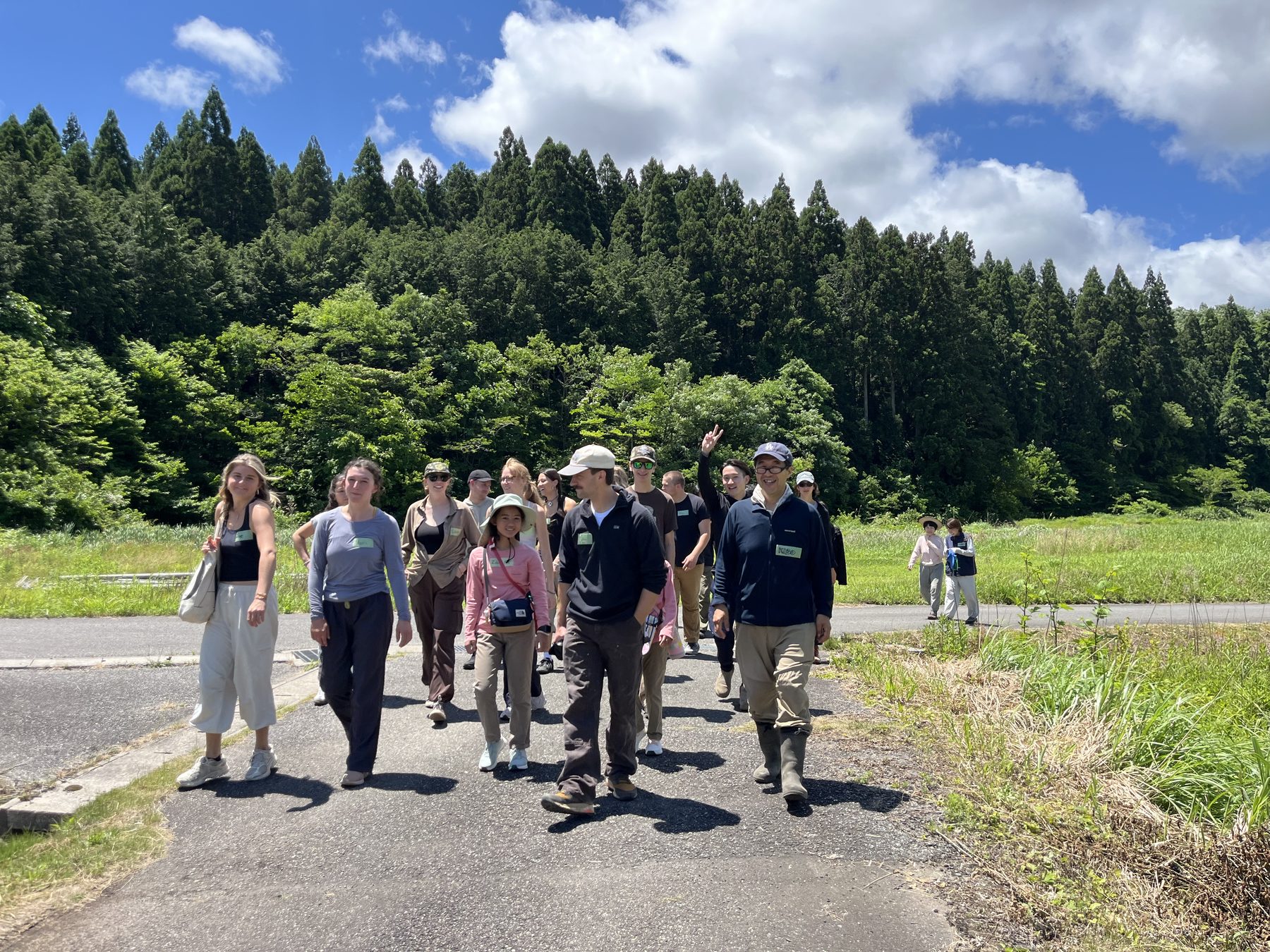
Walking the Satoyama: Learning to Read a Landscape
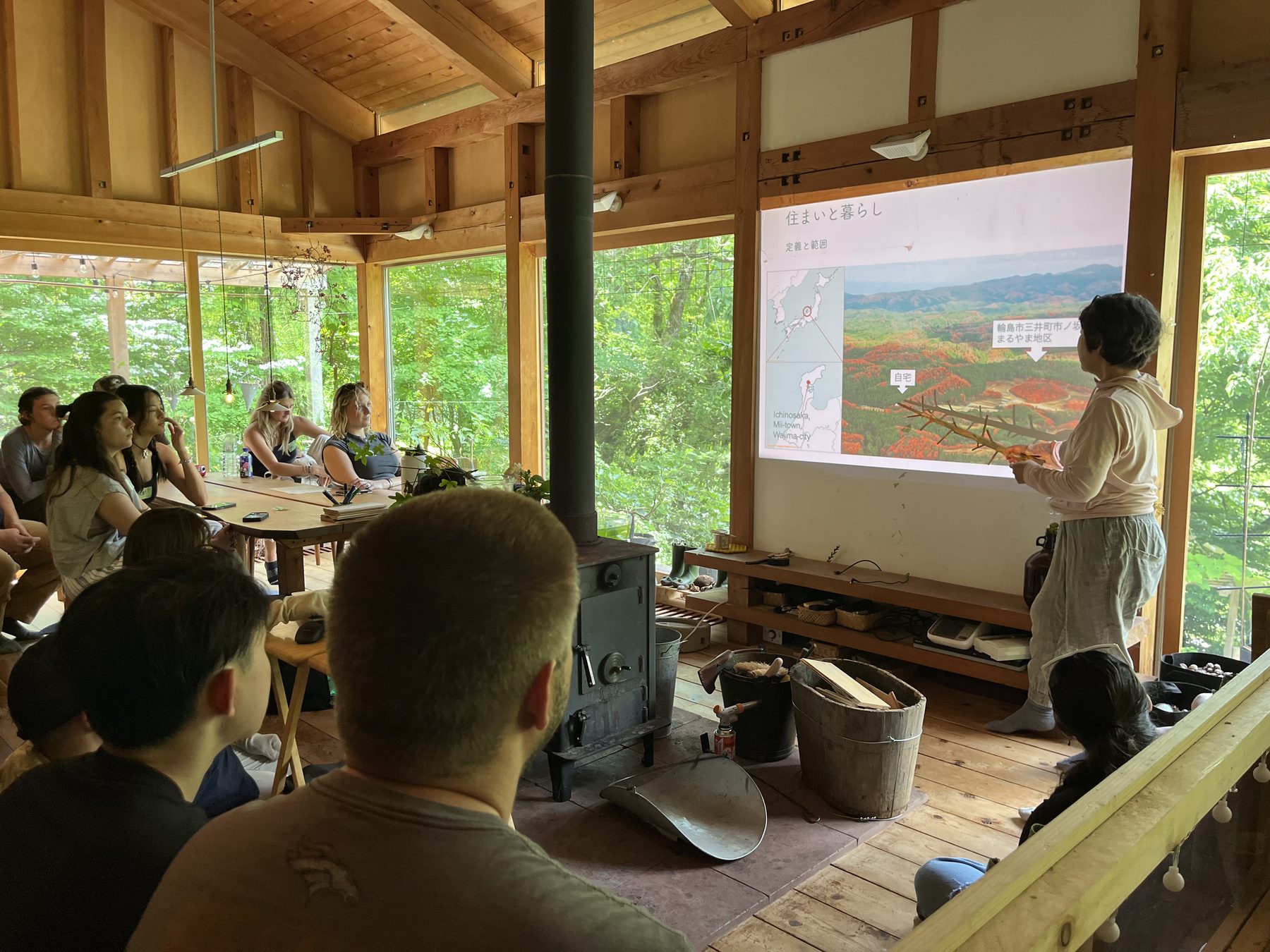
Our time in Noto began with a walk. Together with our Japanese support members and our host family Kiichiro (Kibo) and Yuki HAGINO, we headed into the satoyama — the half-wild, half-tended landscape that sits right beside people's daily lives in Japan. For centuries, the satoyama has been the foundation of each region's distinct way of life and culture. City dwellers may be losing touch with it, but the vital connection between people and nature is still very much alive here.
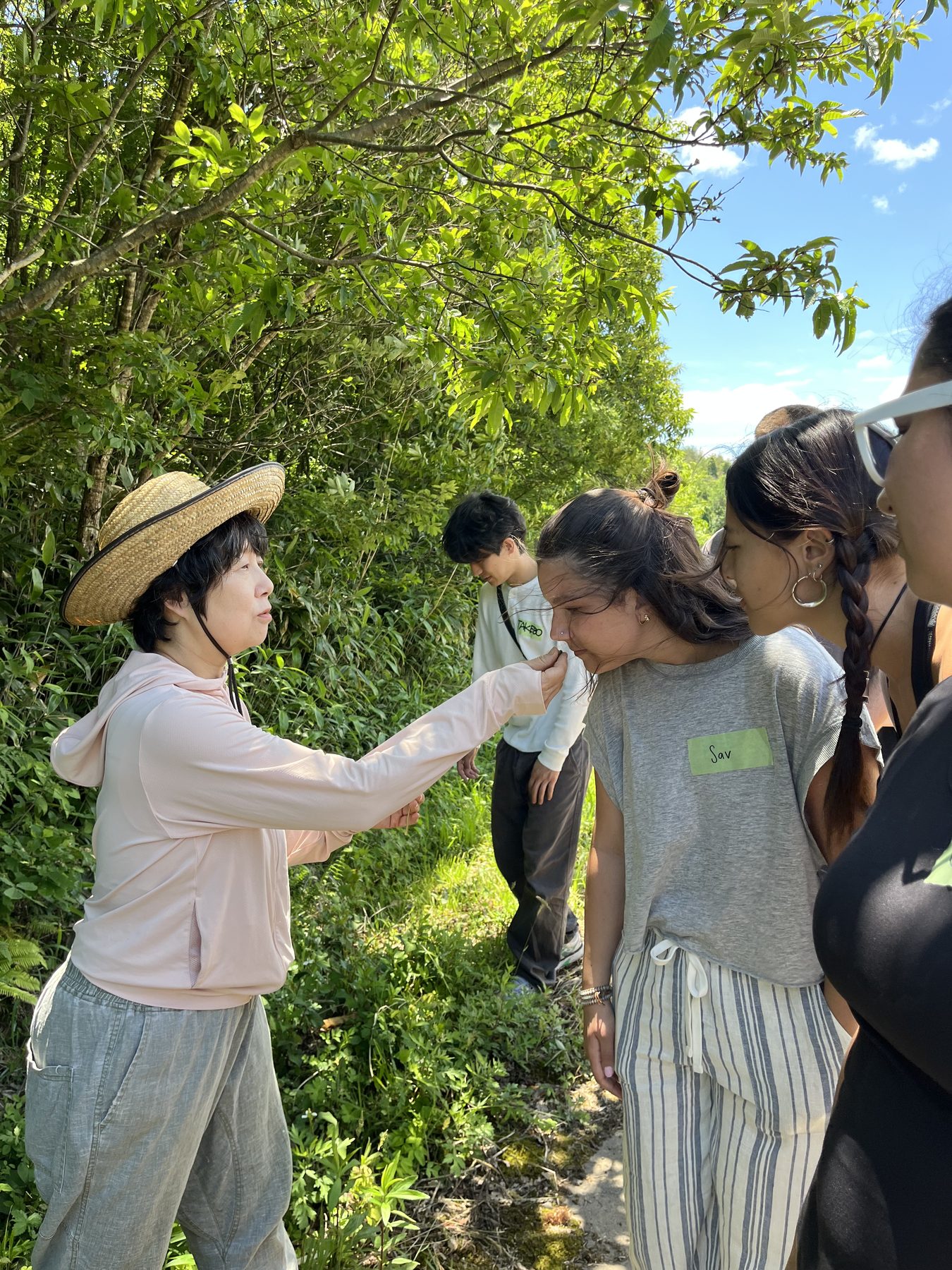
Wajima gives that connection real weight. The area has been struck by two major earthquakes in the past ten years, with great loss of life, and the region is still finding its path to recovery. In a country that lives with earthquakes, how do people come to know the ferocity of nature, accept it, and keep living alongside it?
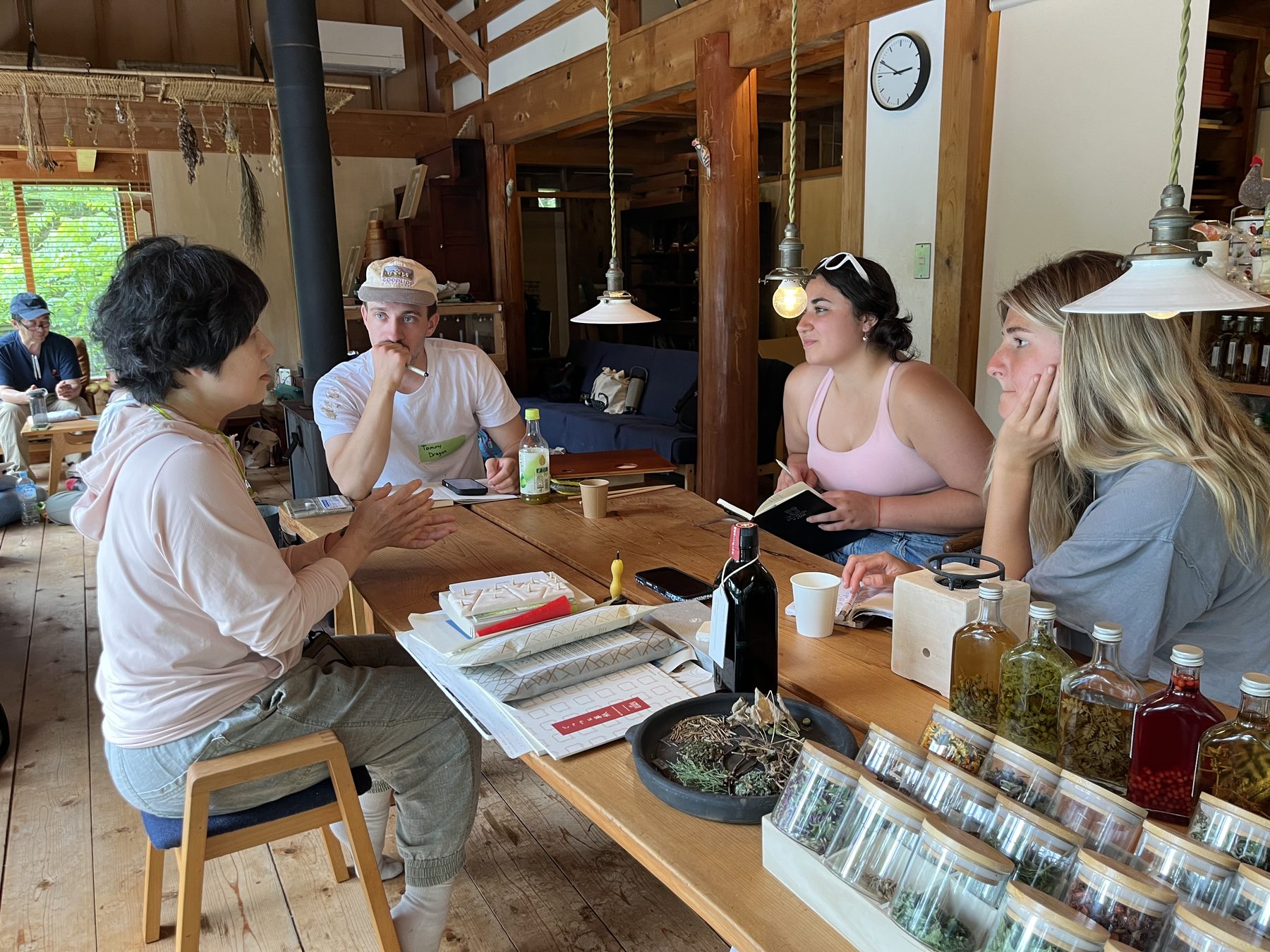
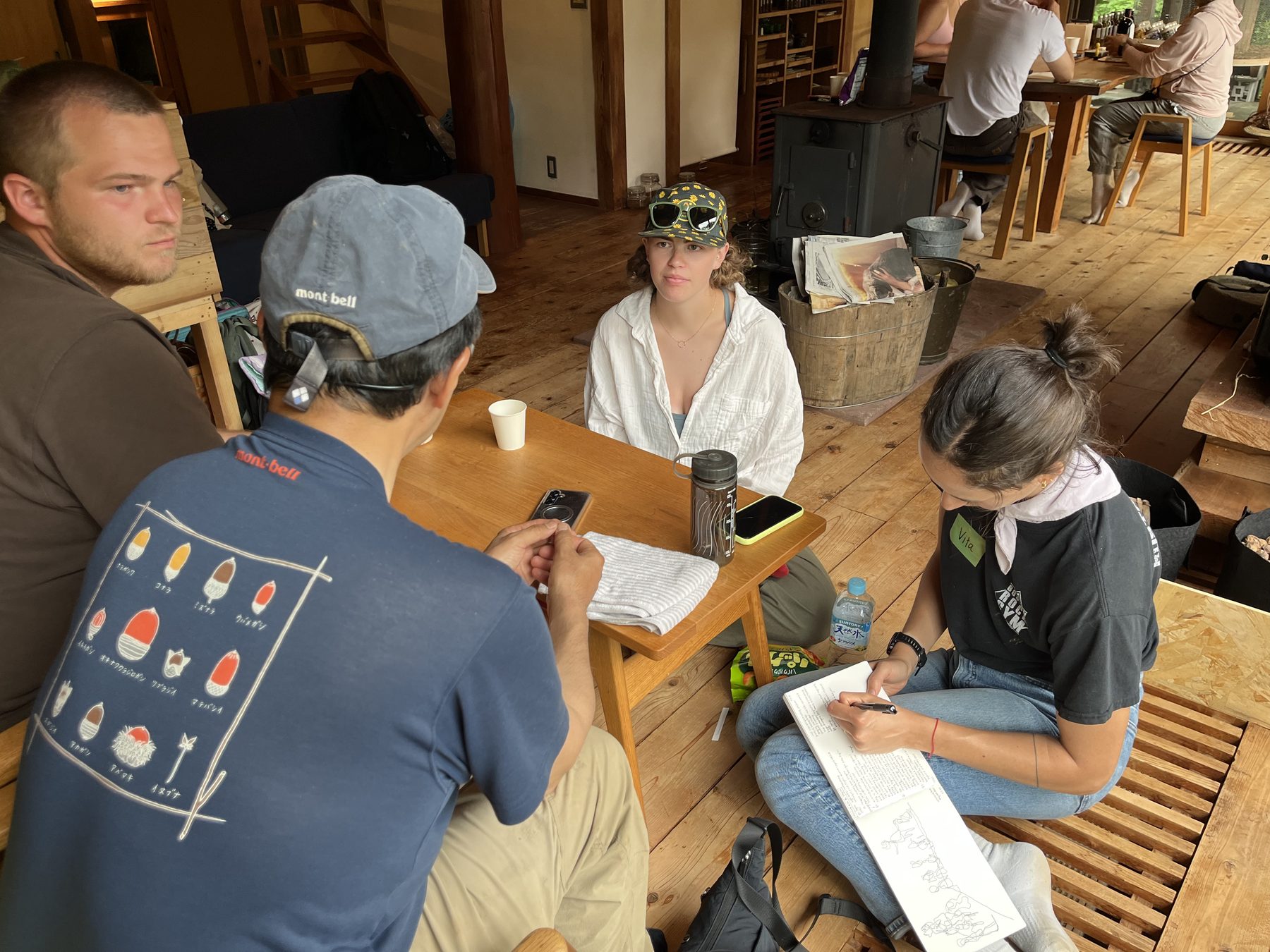
The satoyama is where that wisdom is stored. As we walked, our teacher “Yuki” taught us the names of plants and trees, what they're good for, and how they've been used for generations — and with every step, a side of the region we simply couldn't see before came into focus.
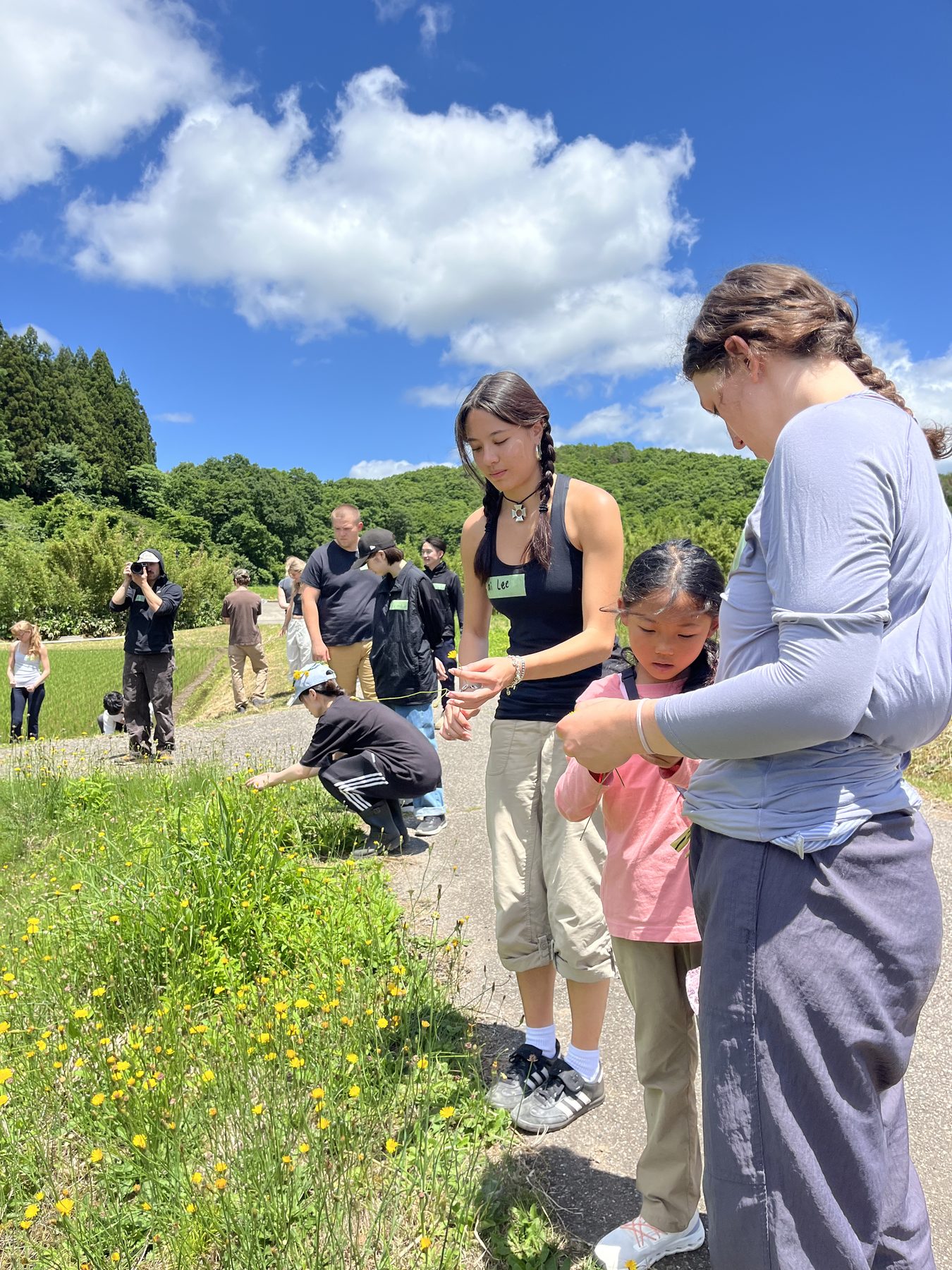
Lessons You Can Eat
Food is the center of daily life — and, if you think about it, the center of space, too. So of course it became one of our lessons.
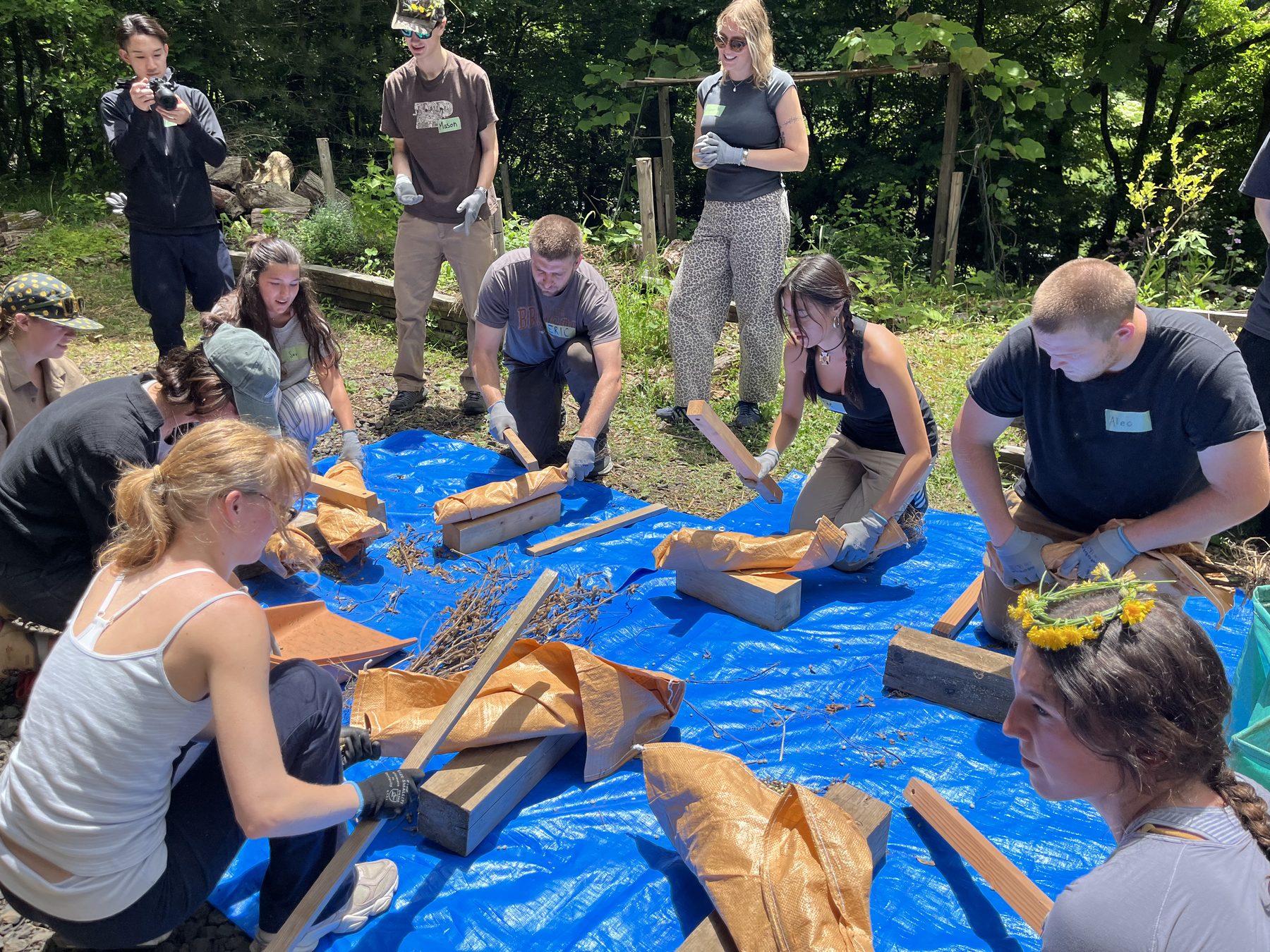
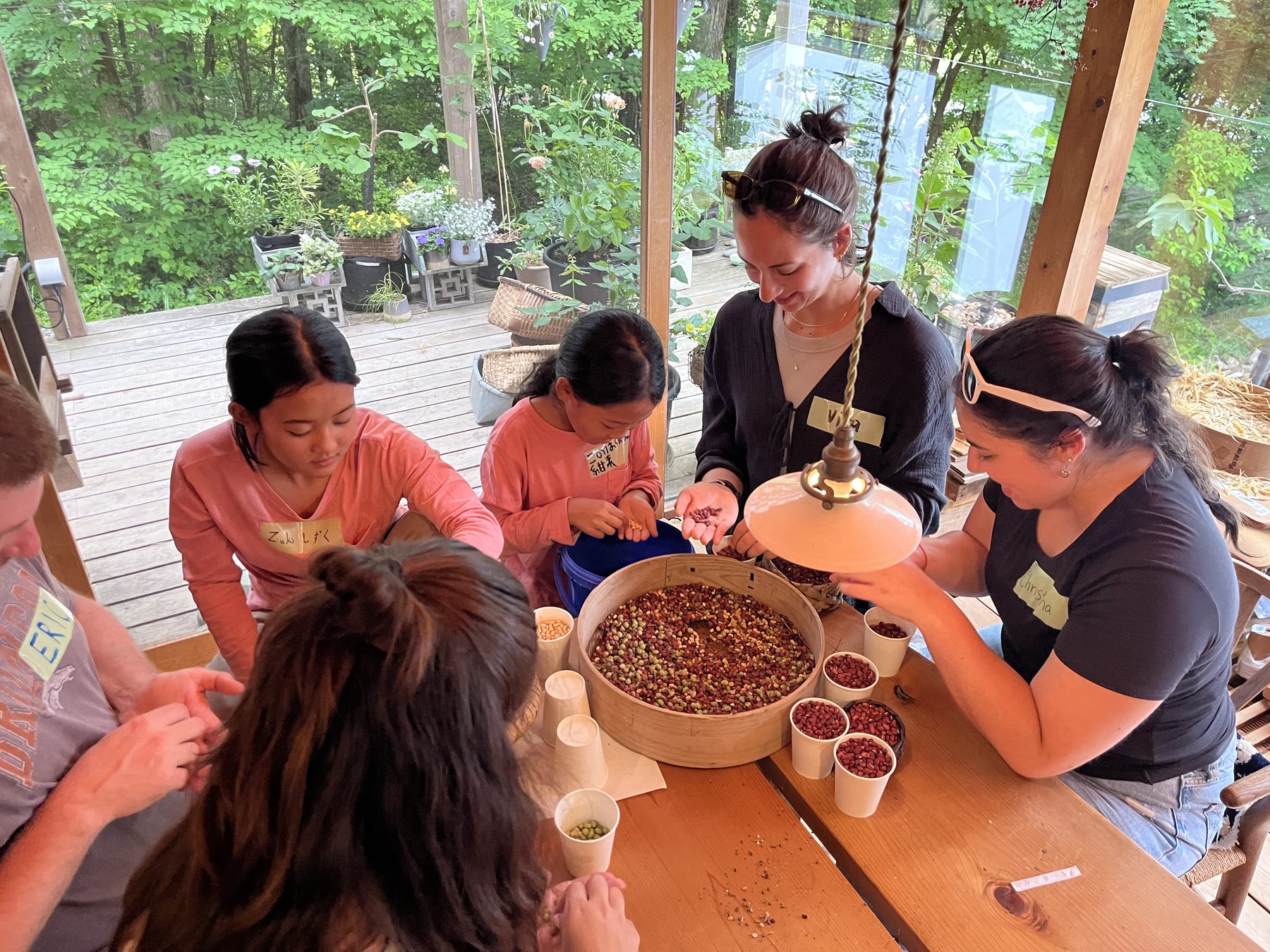
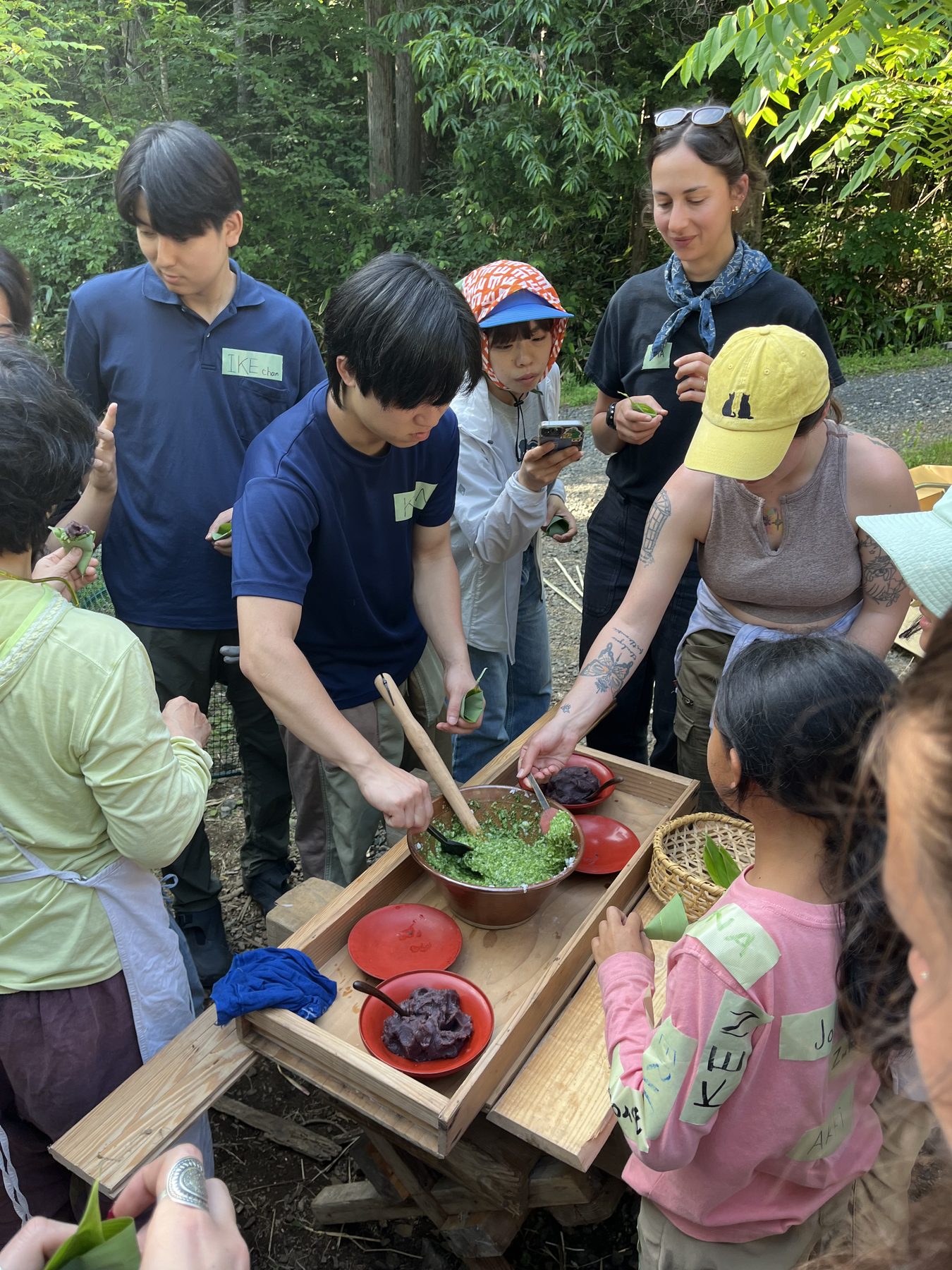
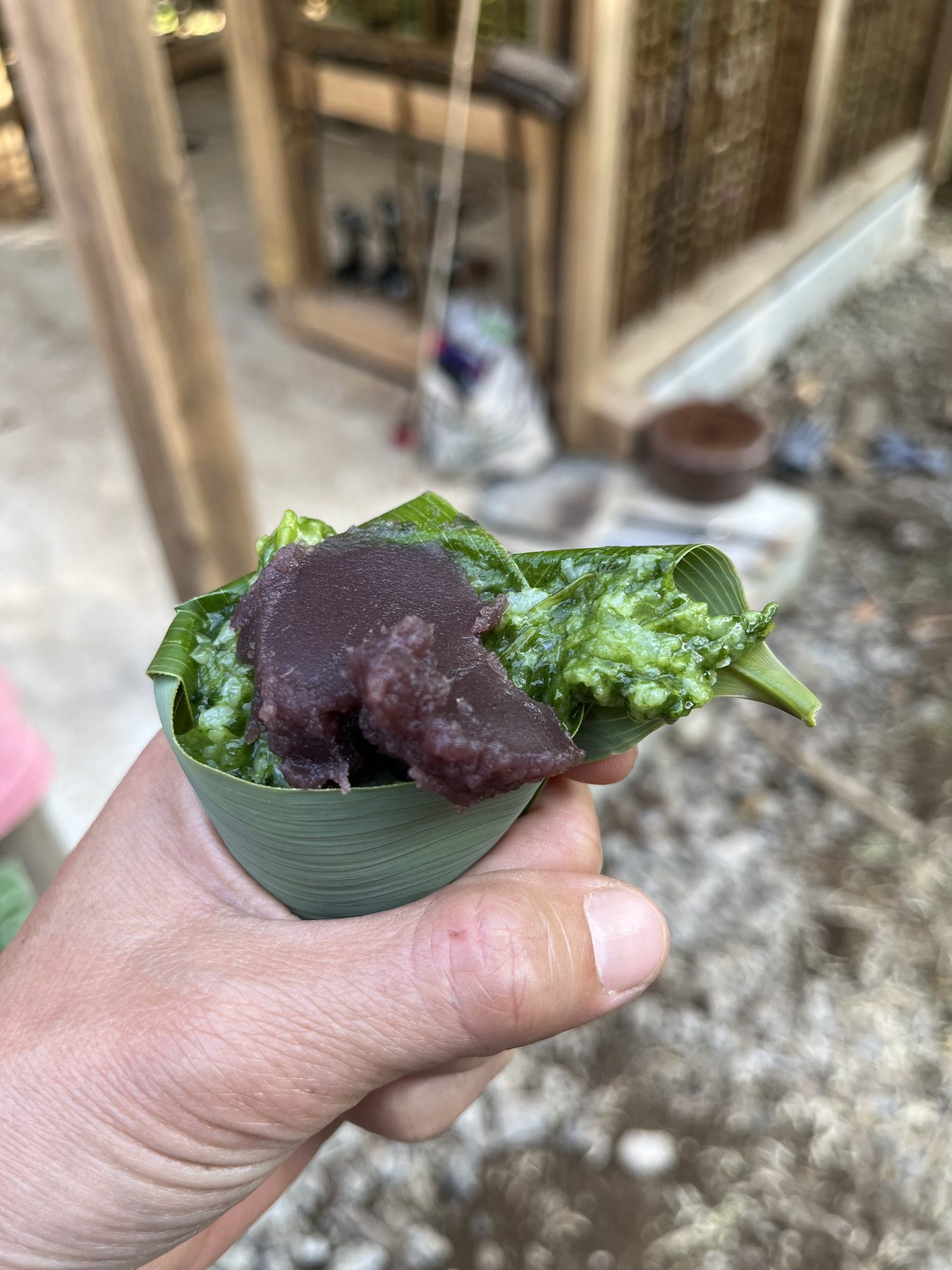
We started by harvesting azuki beans that had been drying right on the project site. After sorting and grading the beans, our satoyama teacher, Yuki, transformed them into a wonderful snack. Even the "wrapper" were bamboo-grass leaves gathered here. Delicious, beautiful — and not a single piece of trash left behind. Sustainable wisdom you can taste.
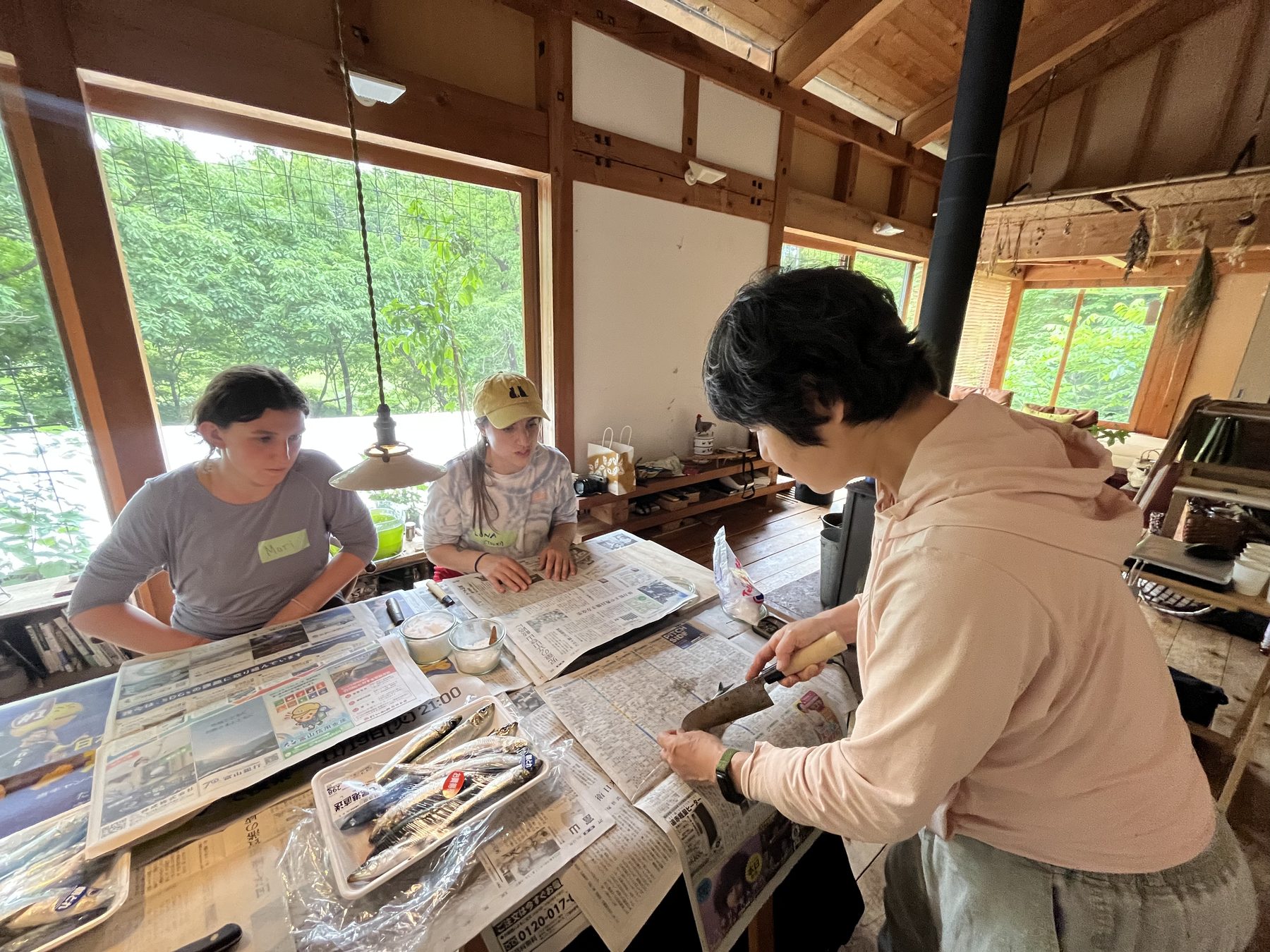
On another day, some of us learned to clean and fillet fish, seasoned with sansho (Japanese pepper) at the very peak of its season. And the innards we removed? They became a feast for Yuki's beloved companions — her chickens. Nothing wasted, everything connected: the cycle of life and resources, experienced with our own tongues.
Mud on Our Hands: Building a Traditional Earthen Wall
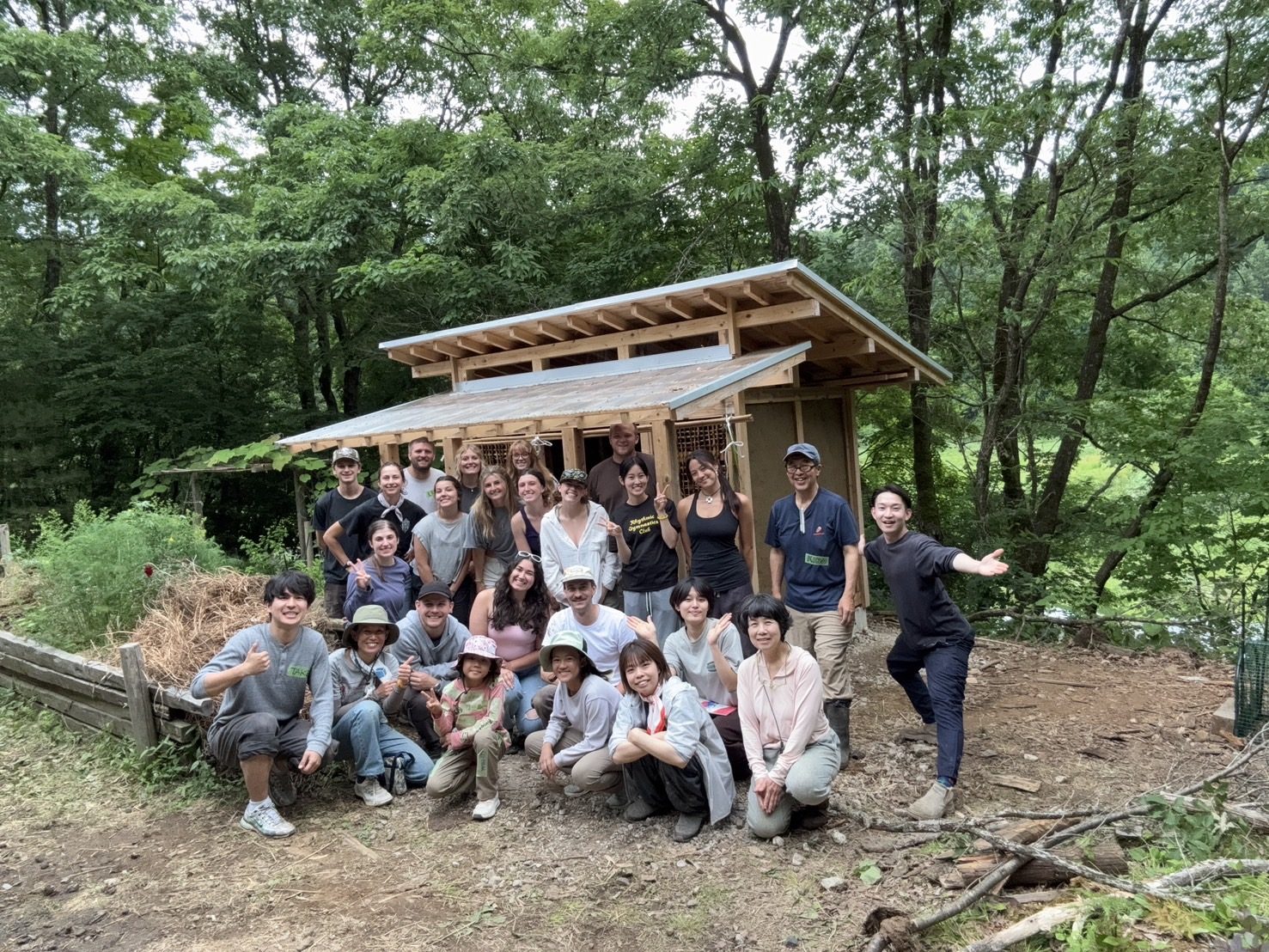
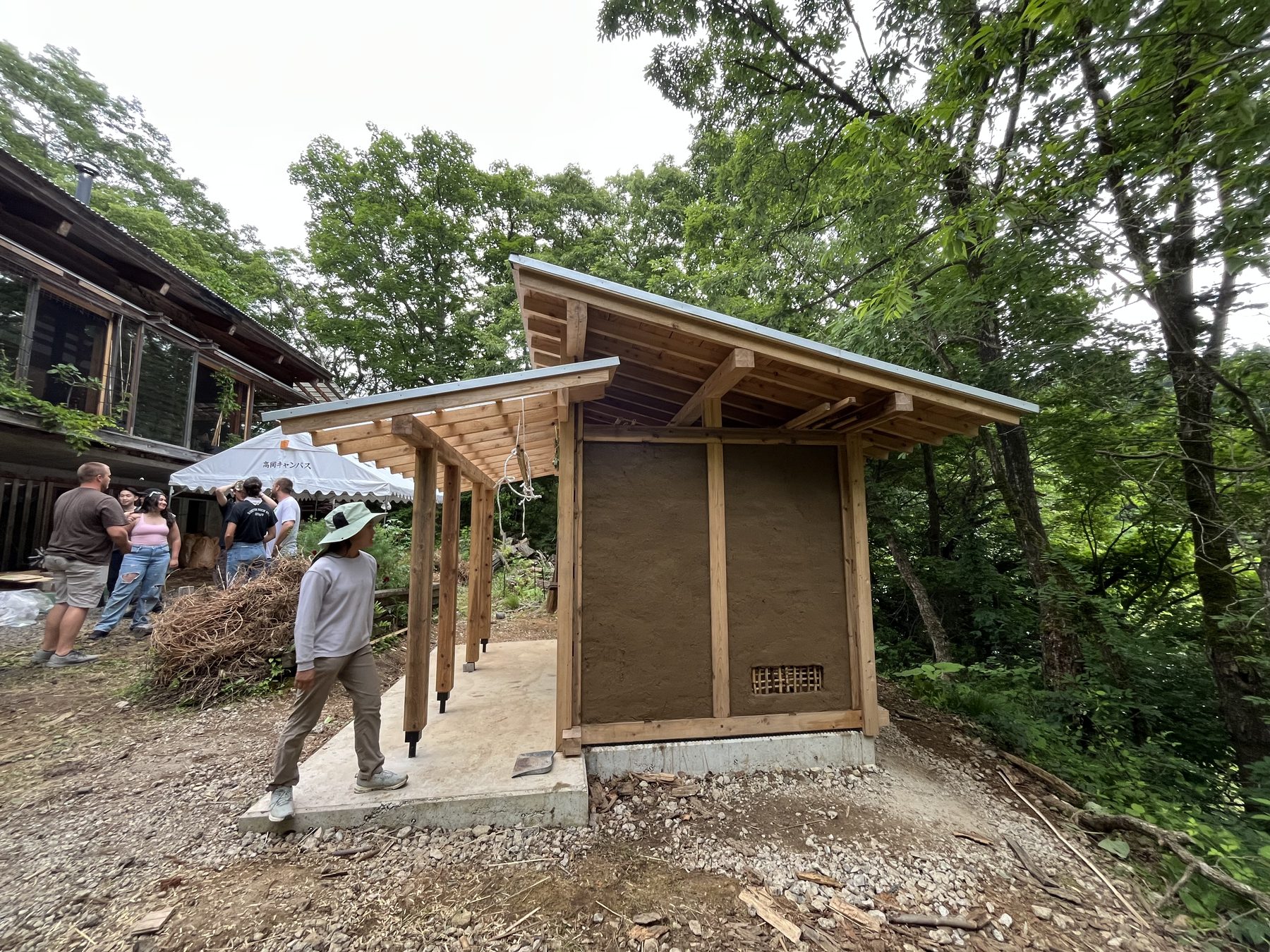
Then came the main event. On the property of our host family, the Haginos, stood a small building that had been erected through a University of Toyama initiative. Our mission: give it walls and make it function as a real building — and in doing so, contribute in our own small way to the post-earthquake cleanup and recovery.
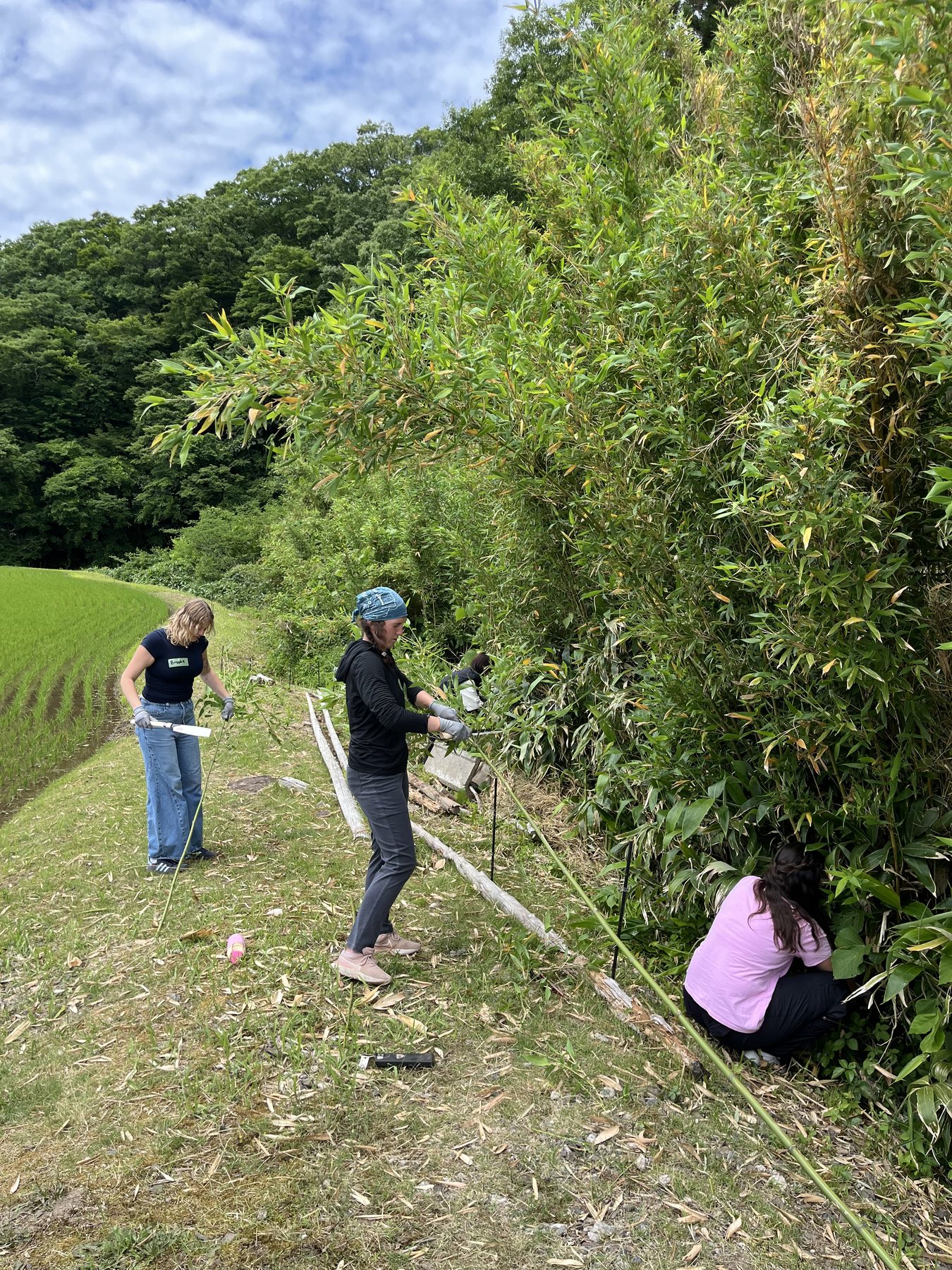
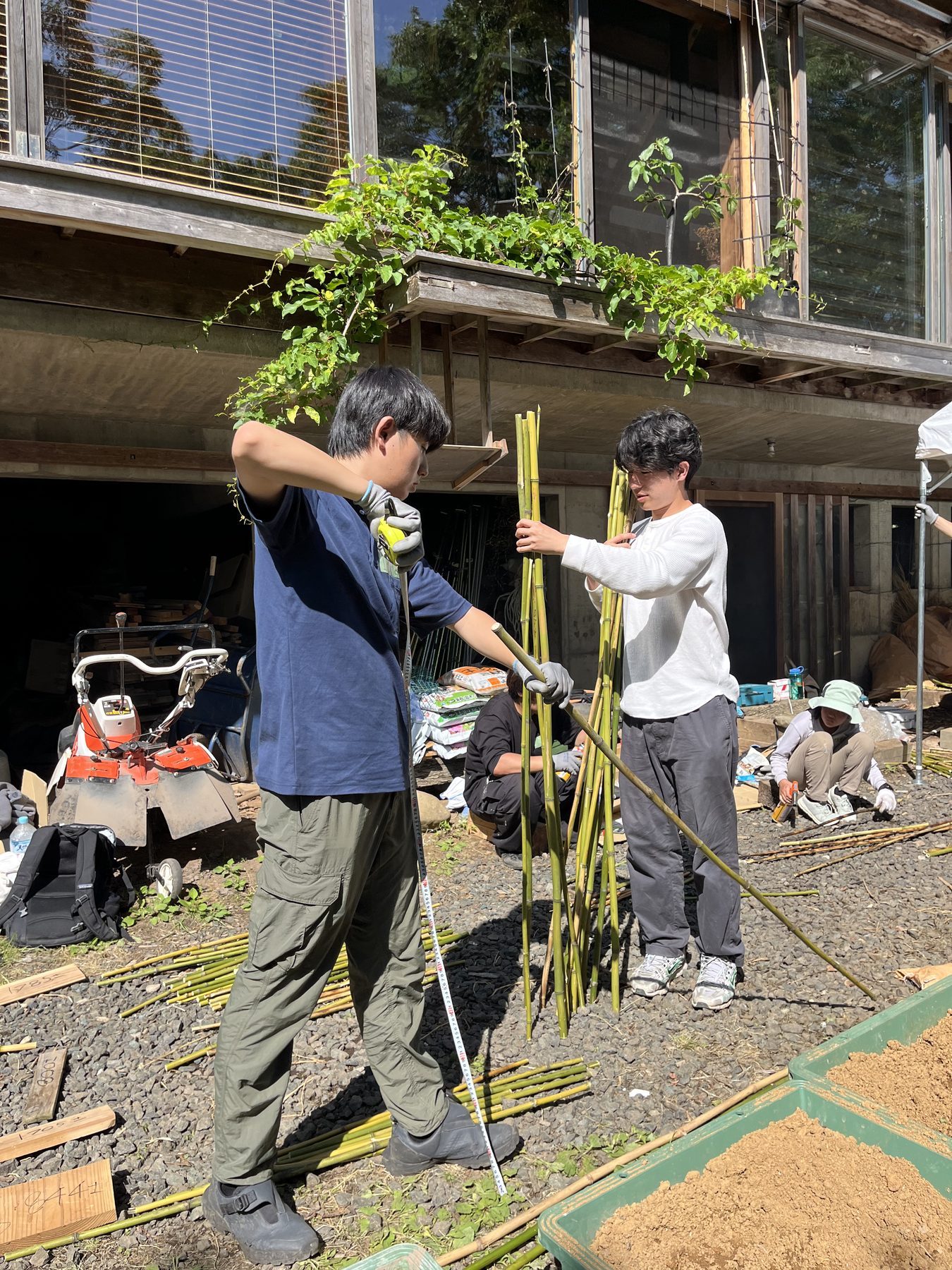
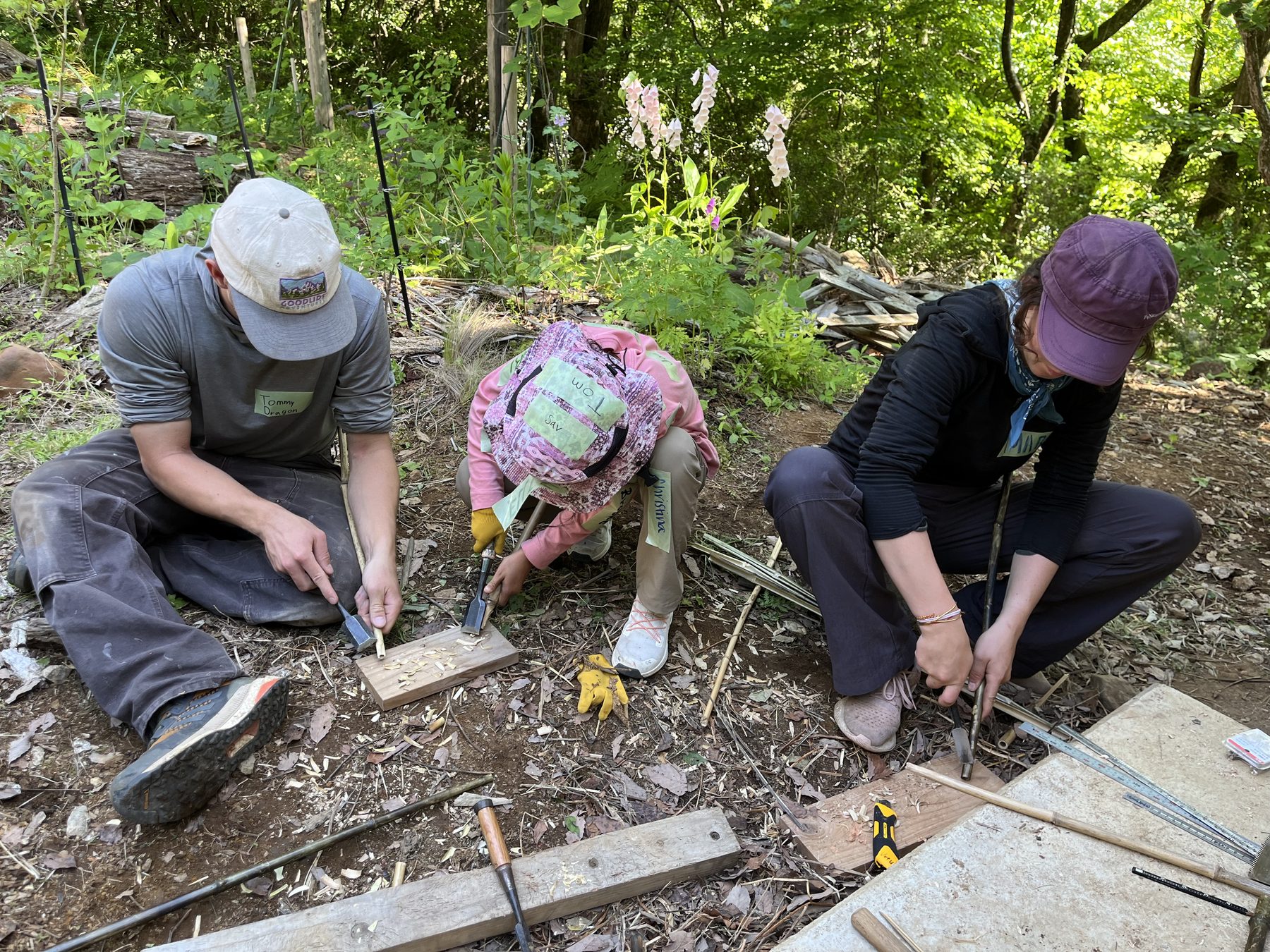
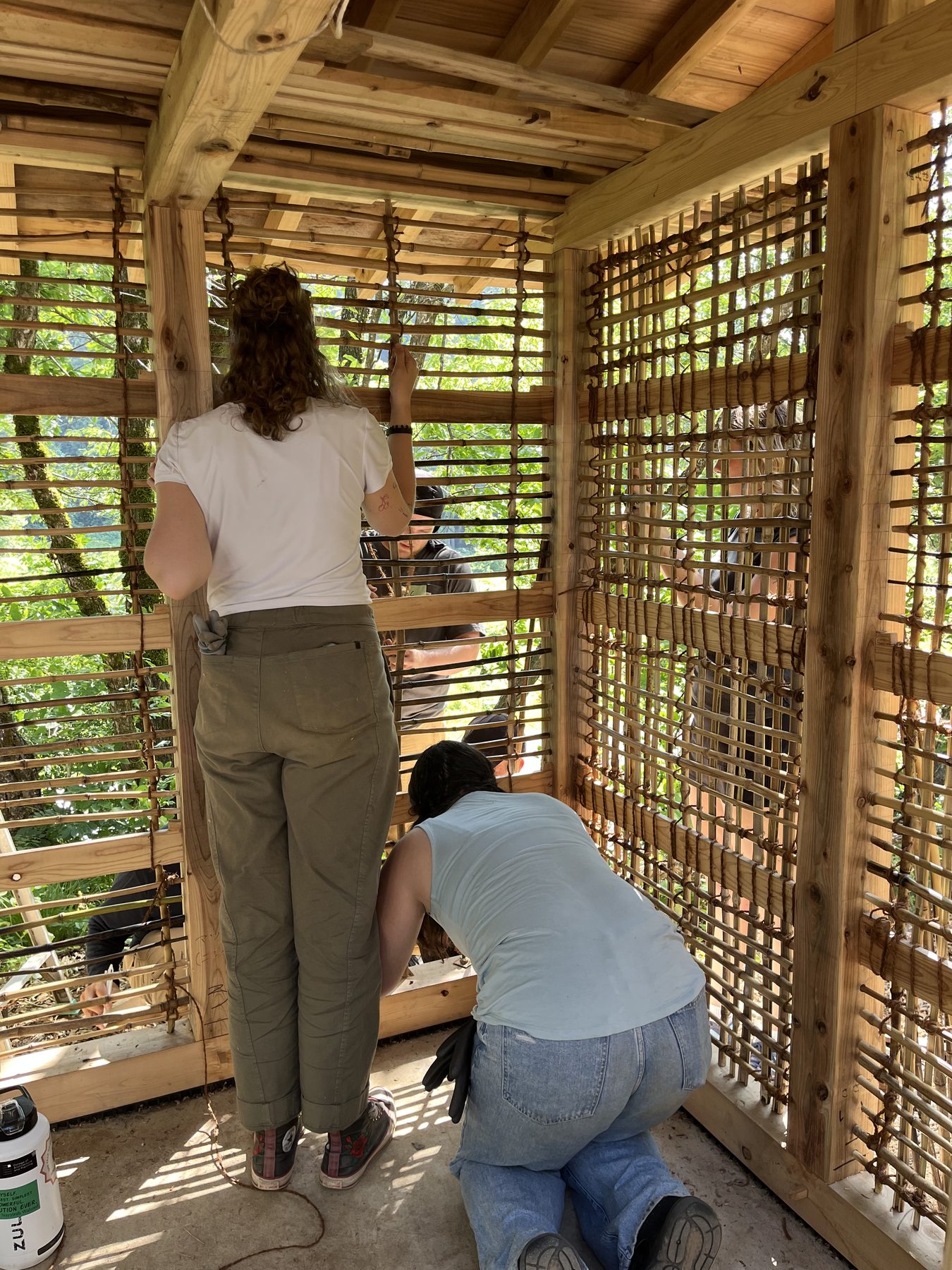
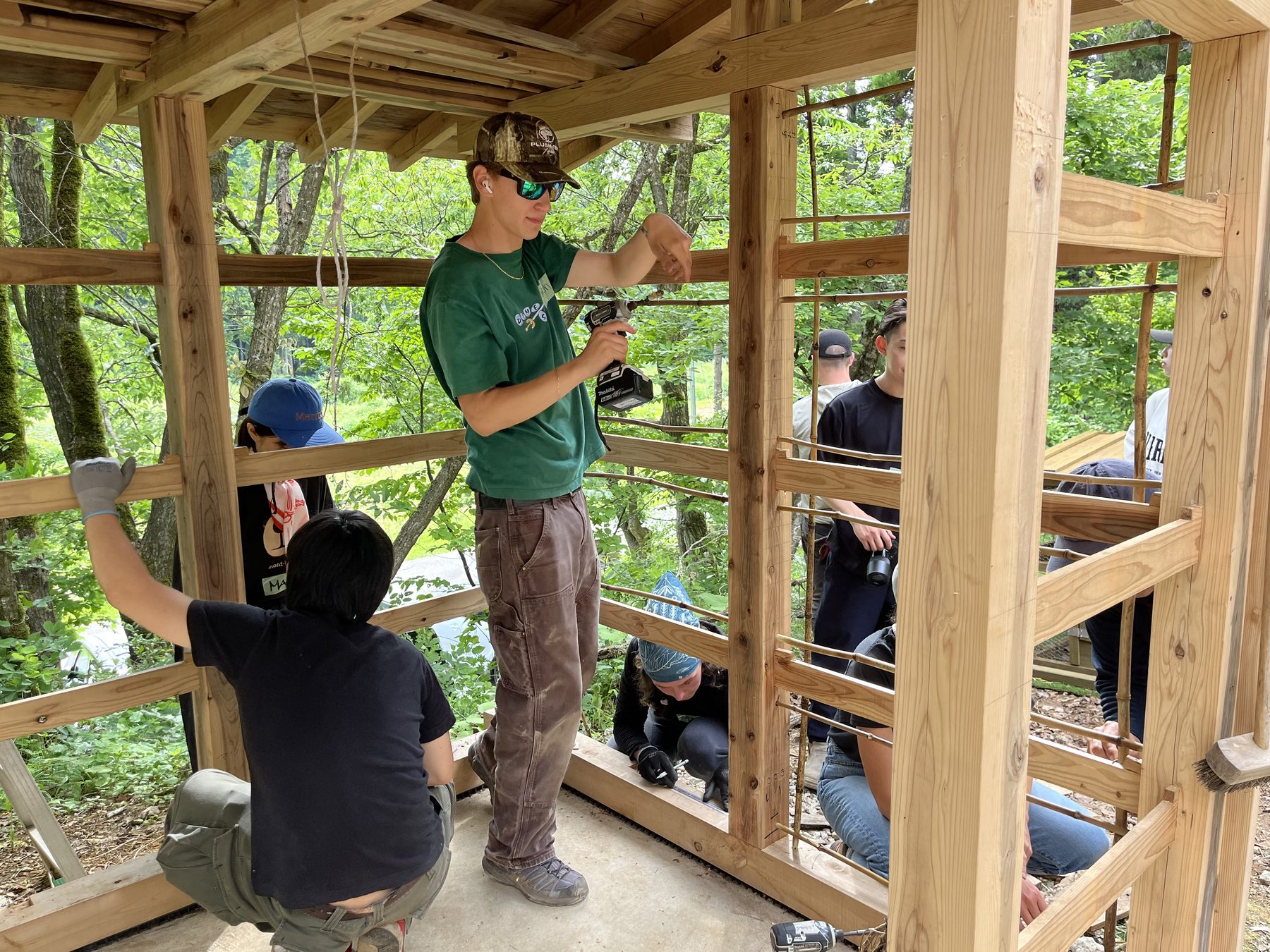
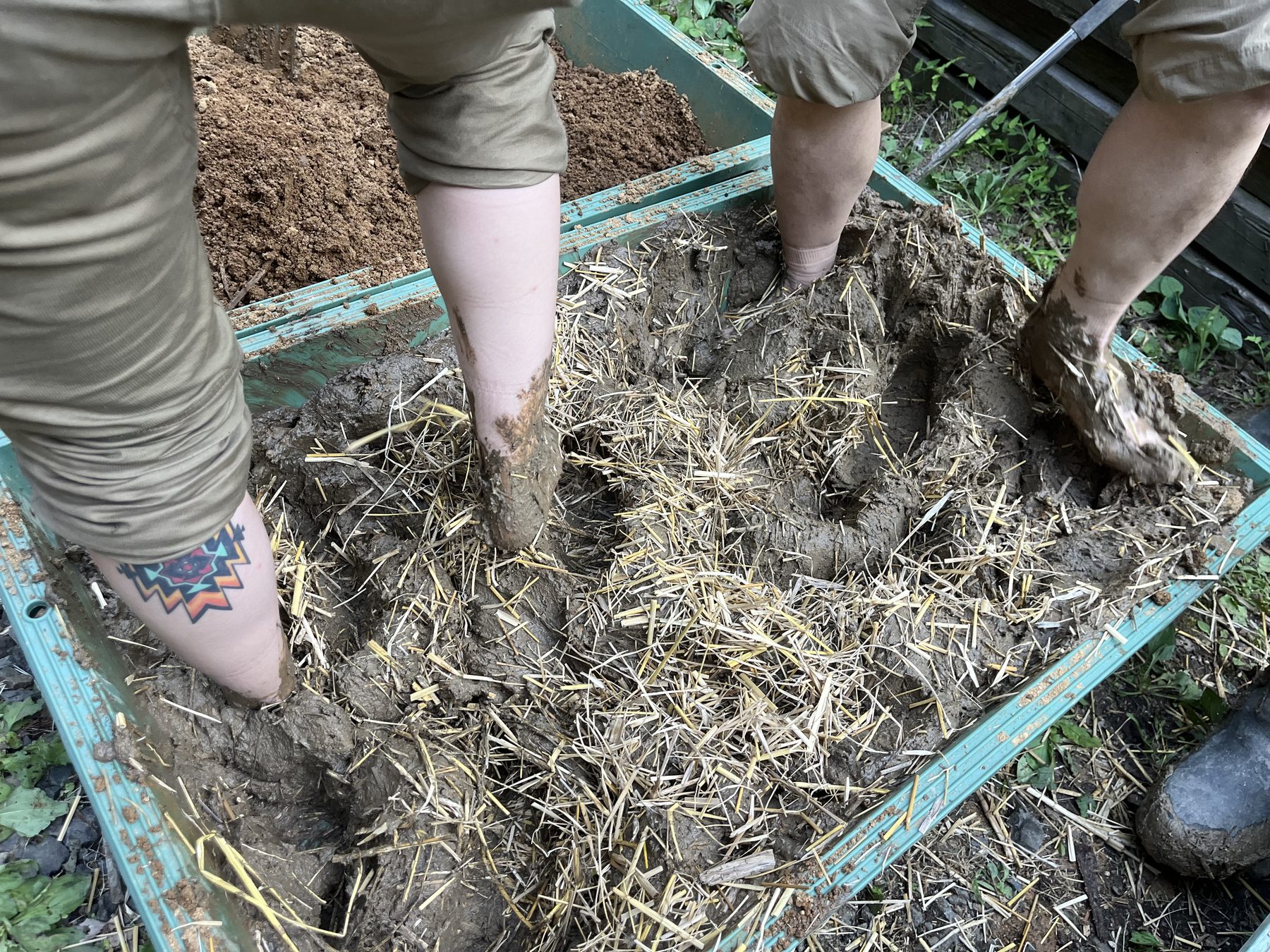
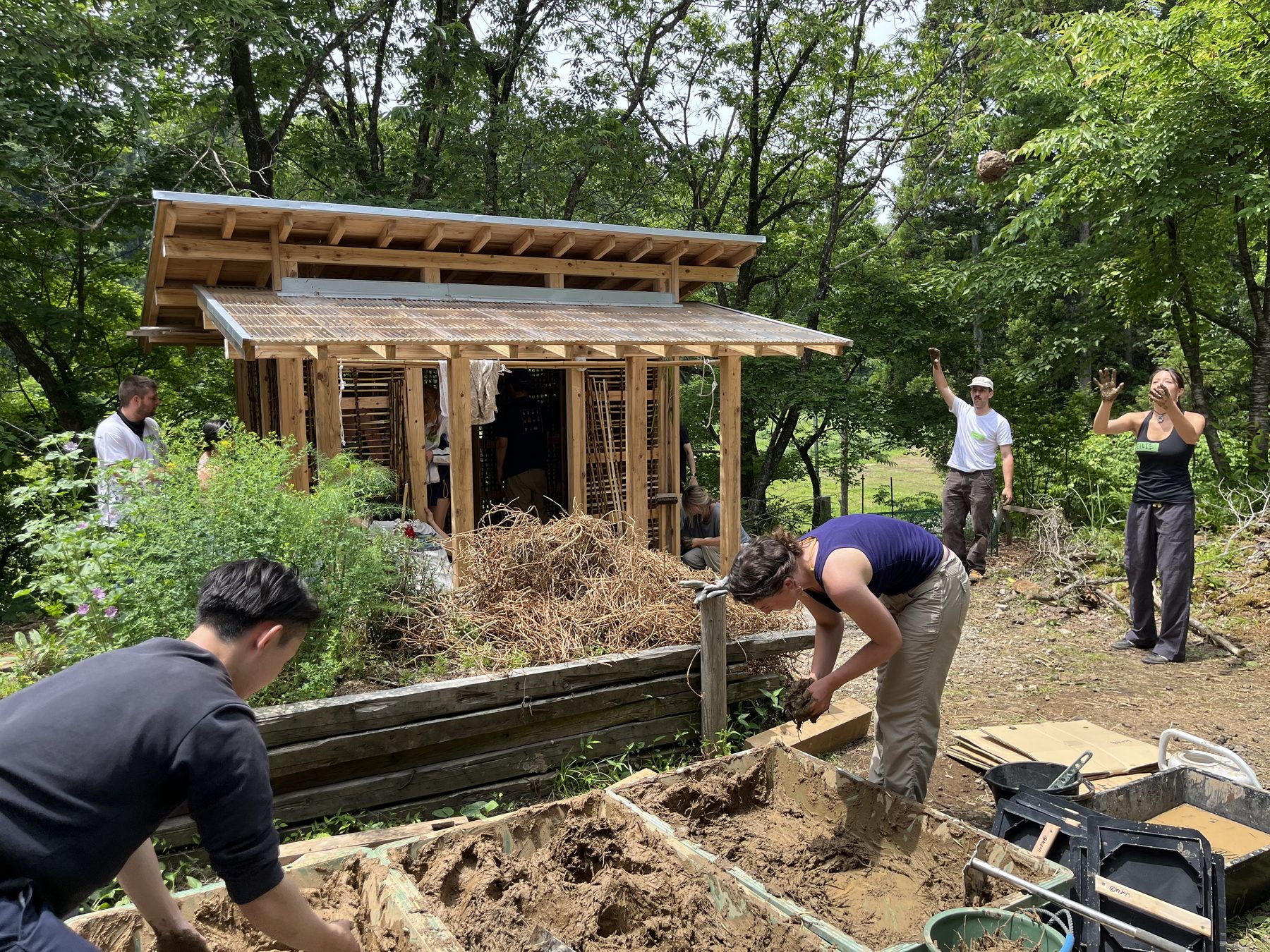
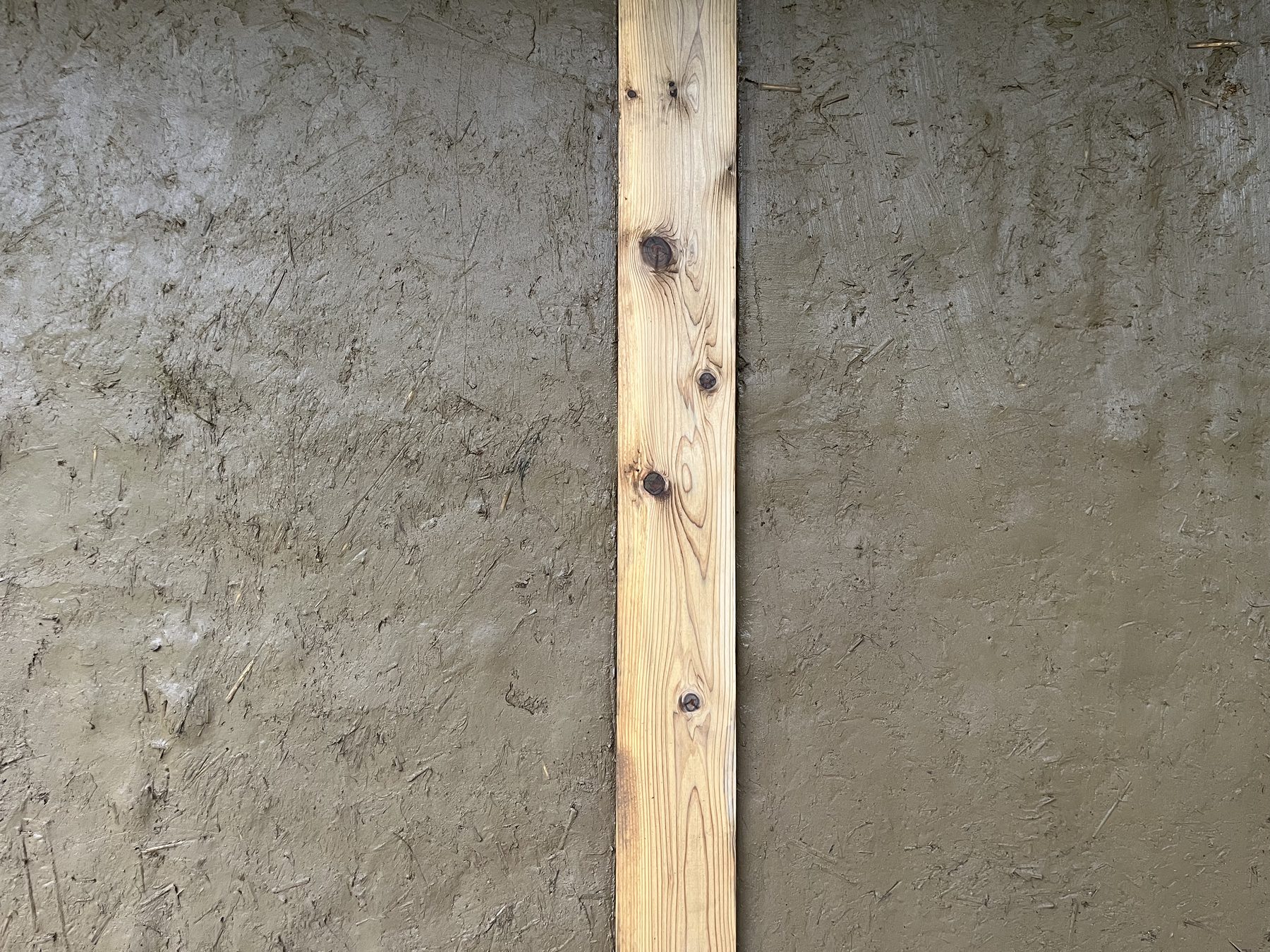
We finished the walls in tsuchikabe (arakabe) — Japan's traditional rough-coat mud plaster. The bamboo for the lath? Cut from the satoyama right behind the site. The earth? Reclaimed from a storehouse demolished after the earthquake, mixed with soil from fallow rice fields. In other words, we didn't buy the-shelf building material — we built with the blessings of the satoyama itself. If you've followed earthen material adventures in Bluff, you can imagine how much this resonated with us.
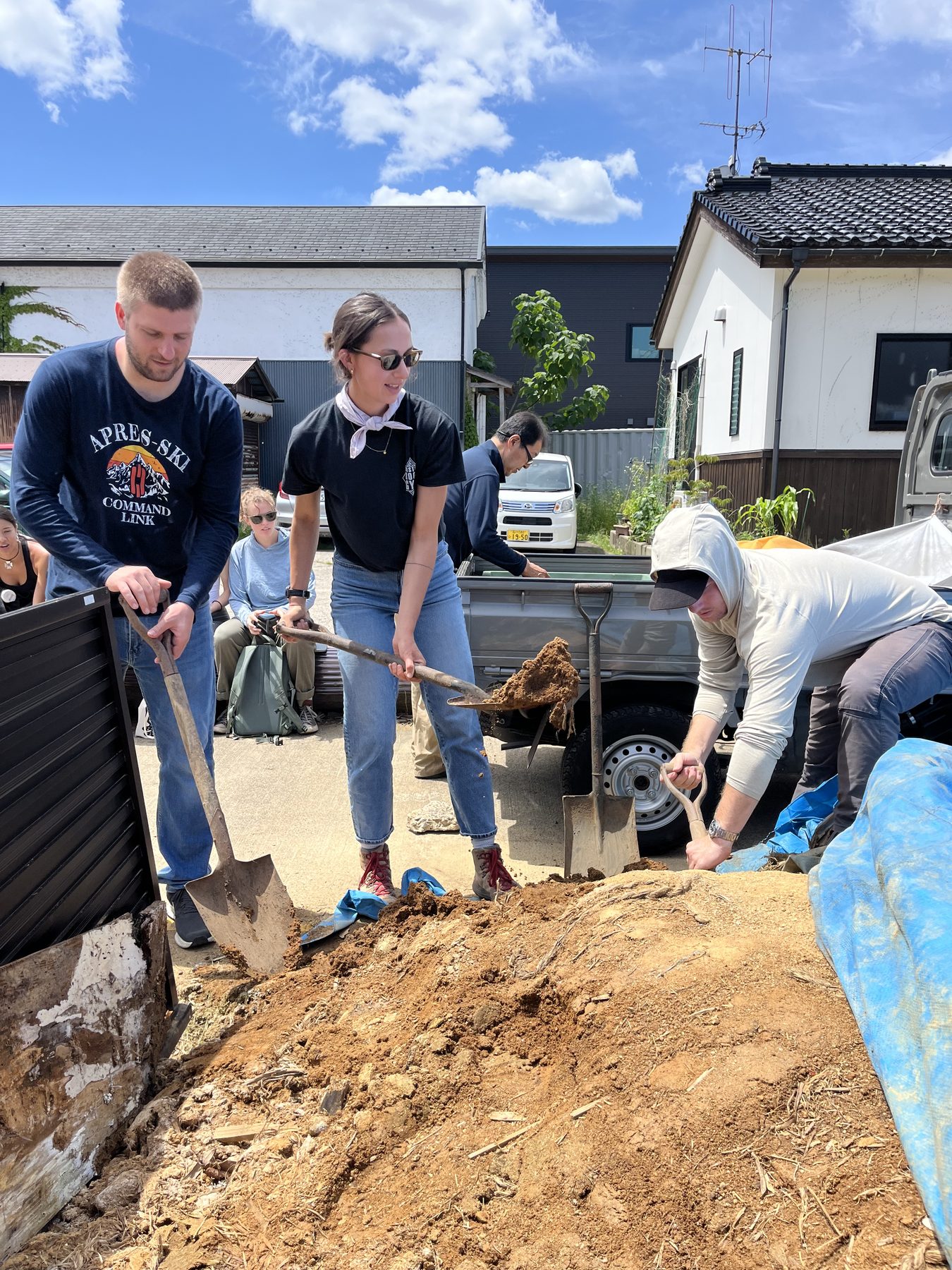
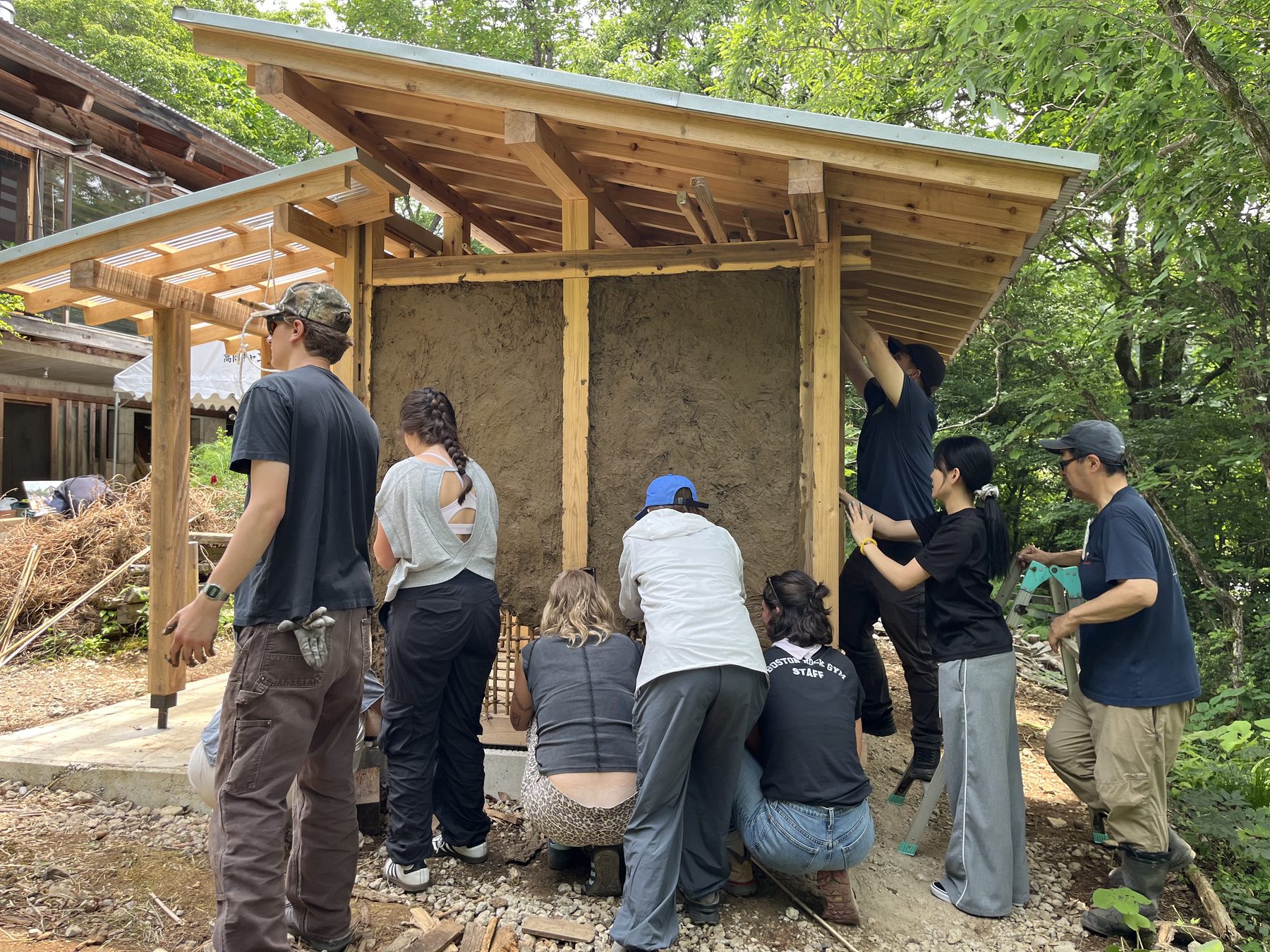
And the company made it even better. We worked alongside Mr.Hagino (Kibo) — our host and a generous teacher — the students of the University of Toyama, and our tireless local staff, Mabo, Akito, and Takebo. There was a lot of mud, and a lot of laughter.
What Wajima Taught Us About Architecture
Working surrounded by rich nature and wonderful companions, we were never far from the other side of the story: the scars of the 2024 earthquake.
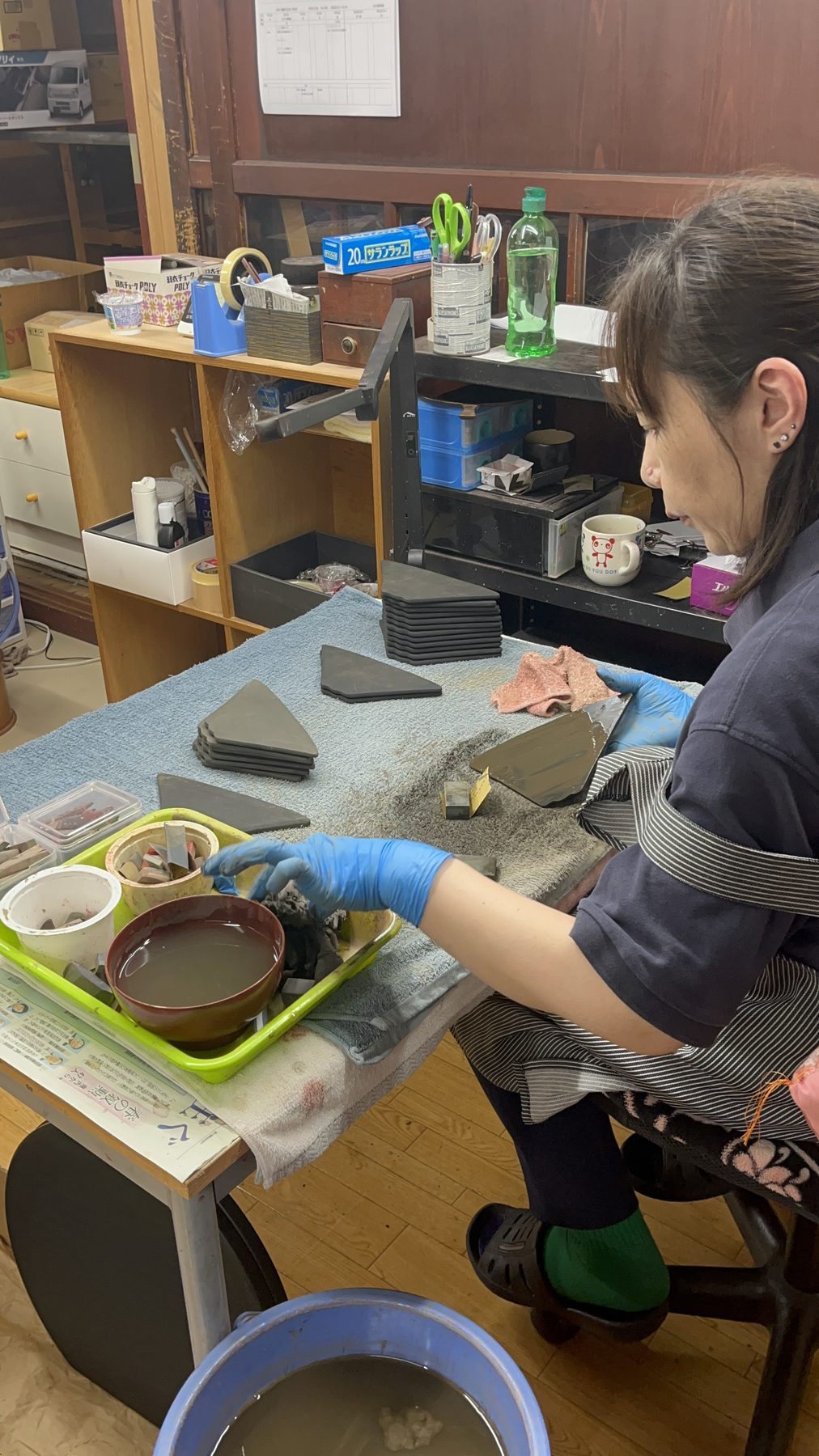
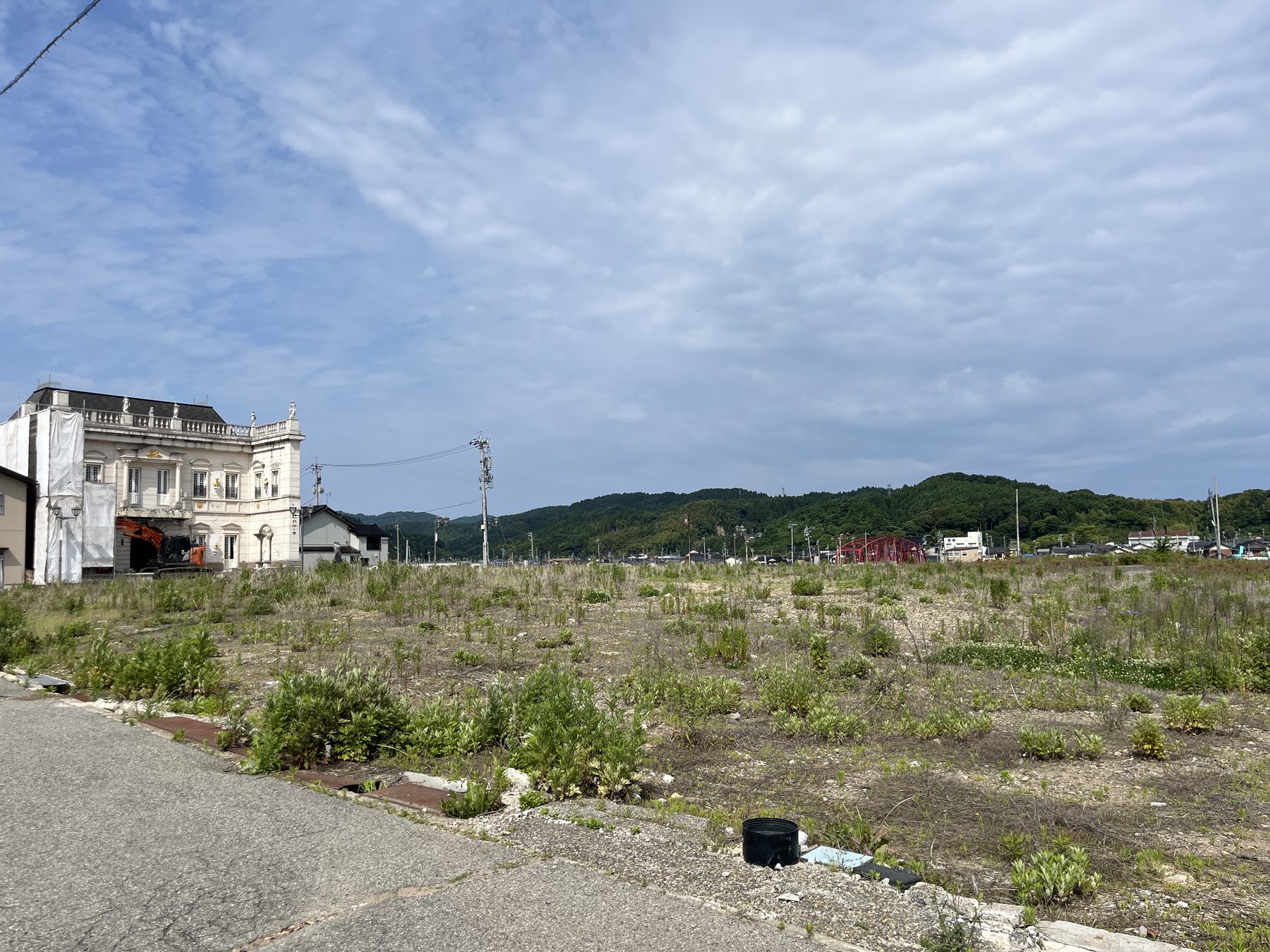
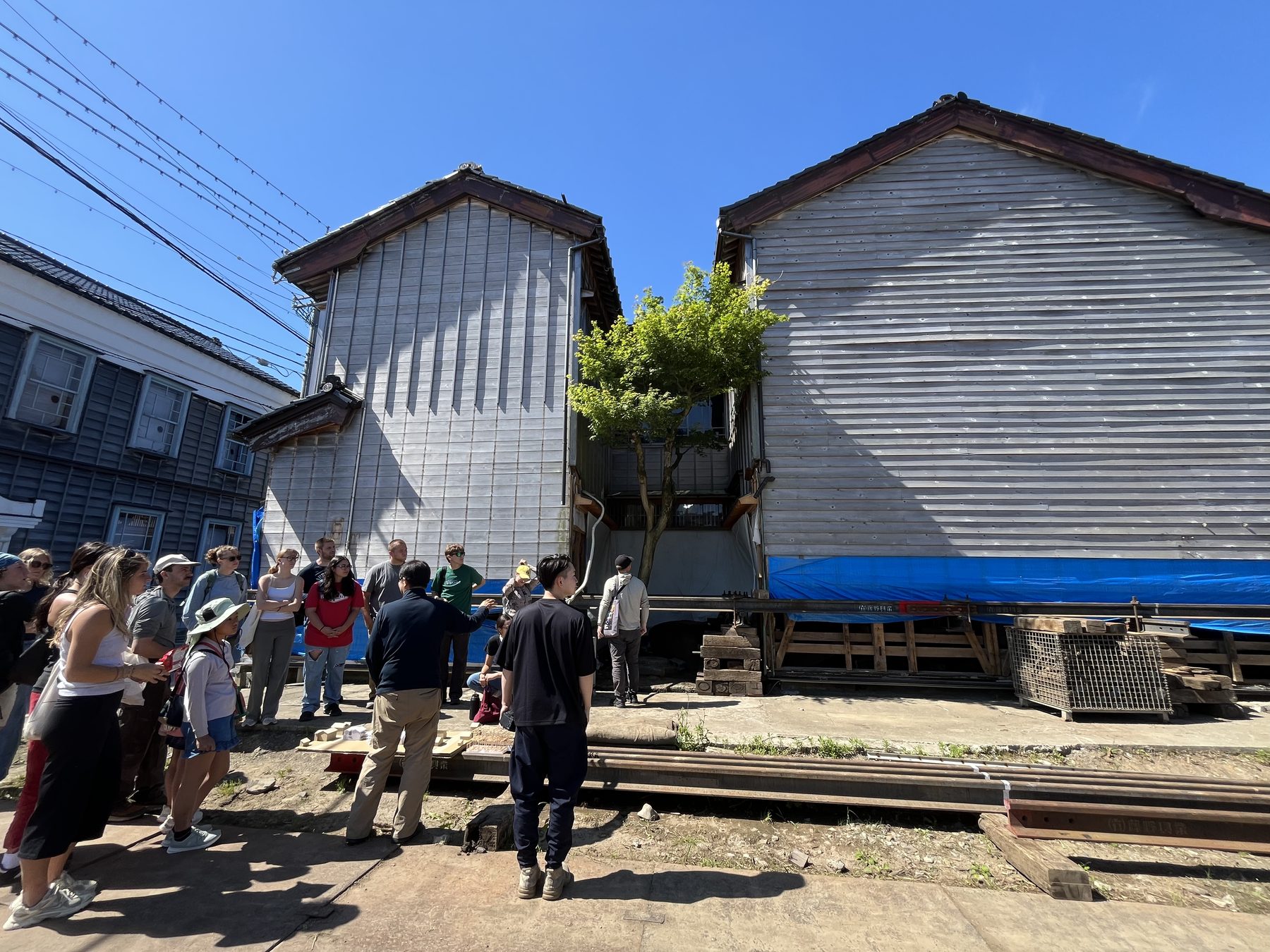
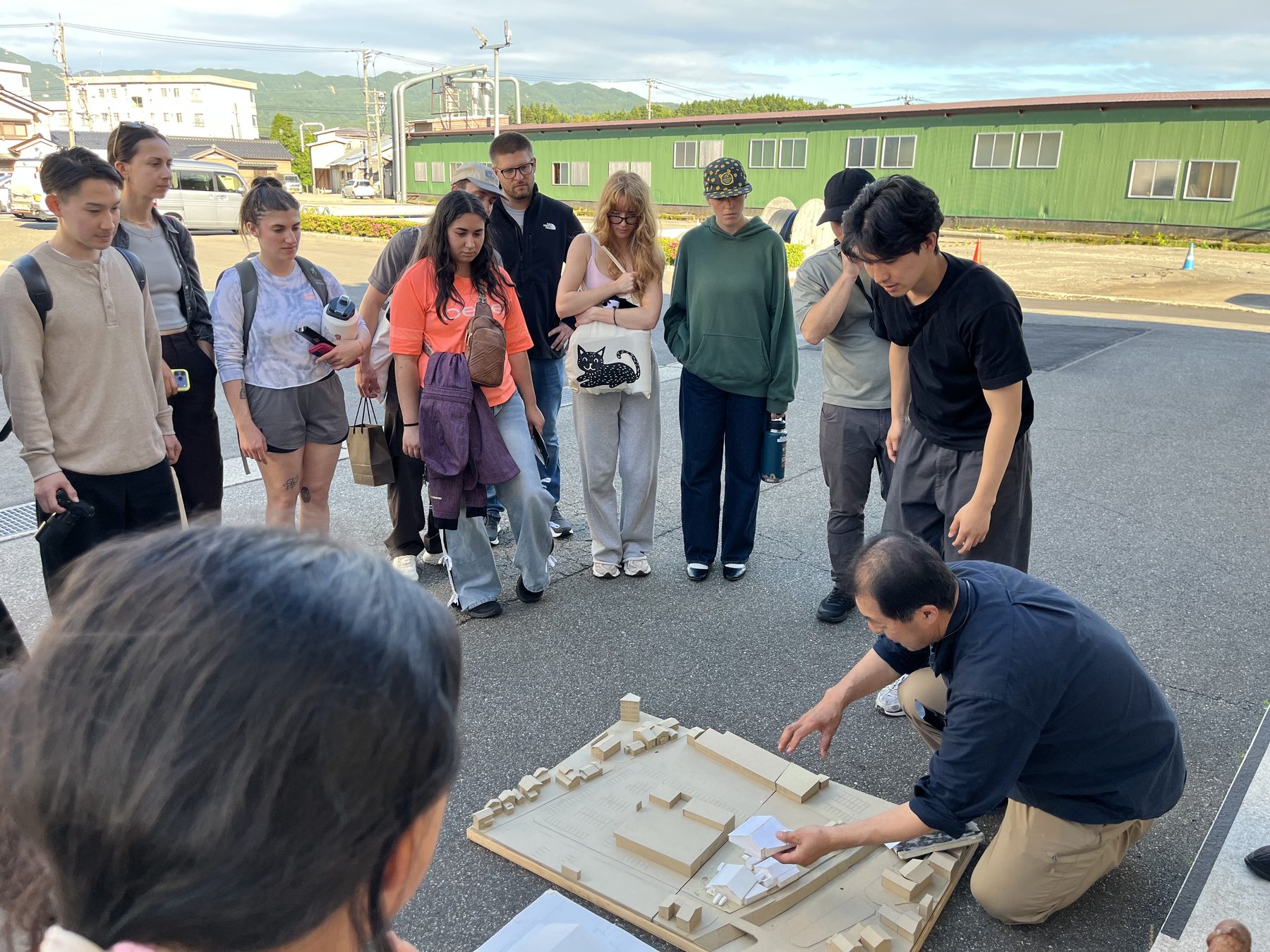
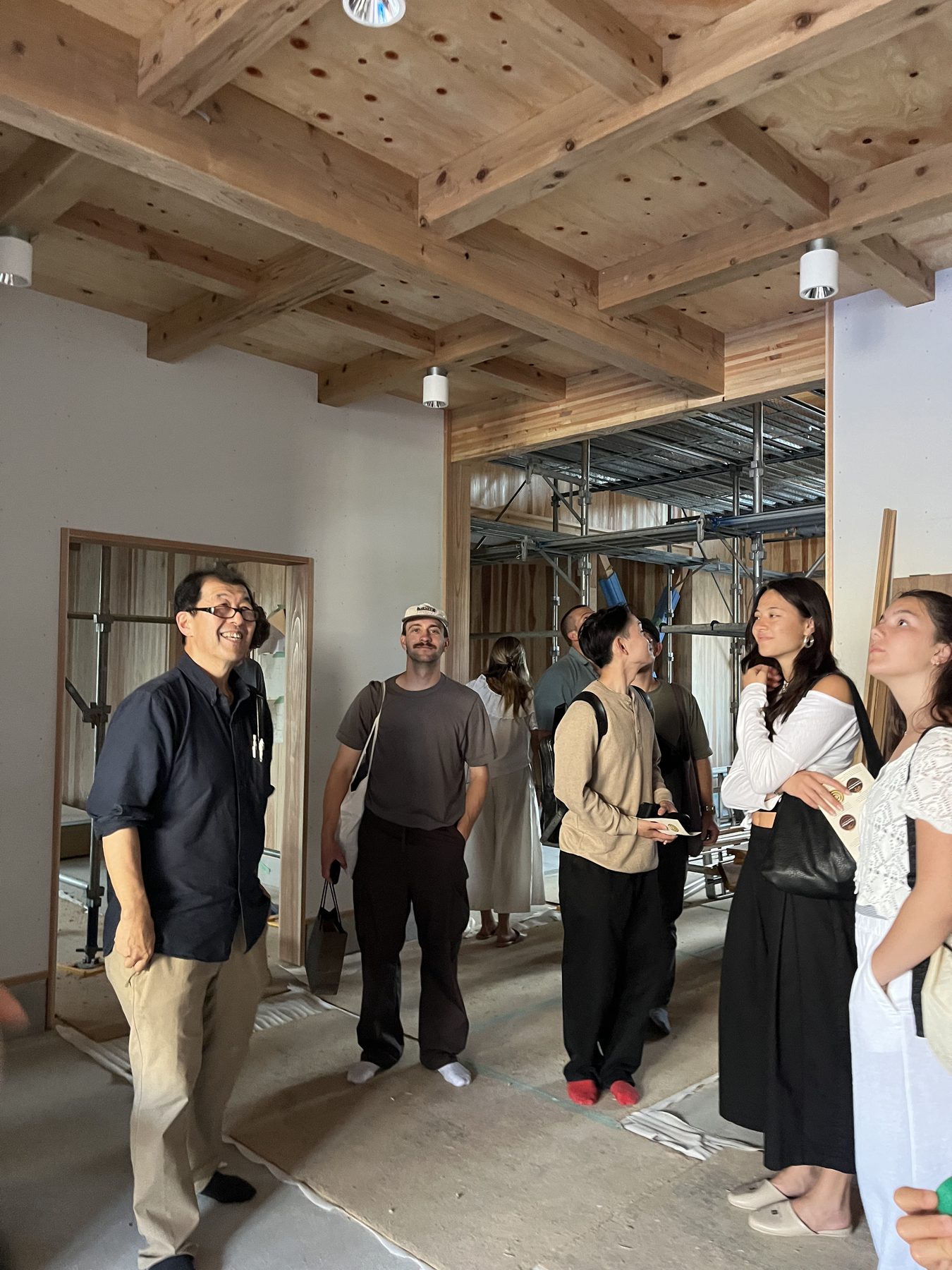
We visited Wajimaya Zenni, a Wajima-nuri lacquerware company keeping its centuries-old craft alive inside temporary buildings. We also visited vacant lots where the former bustle gave way to the earthquake. Additionally, we had the privilege of visiting restoration and active construction sites, learning about various cases and how different people are looking toward the future. As people who create buildings, we came away with insights that will stay with us for a long time.
Voices from Noto
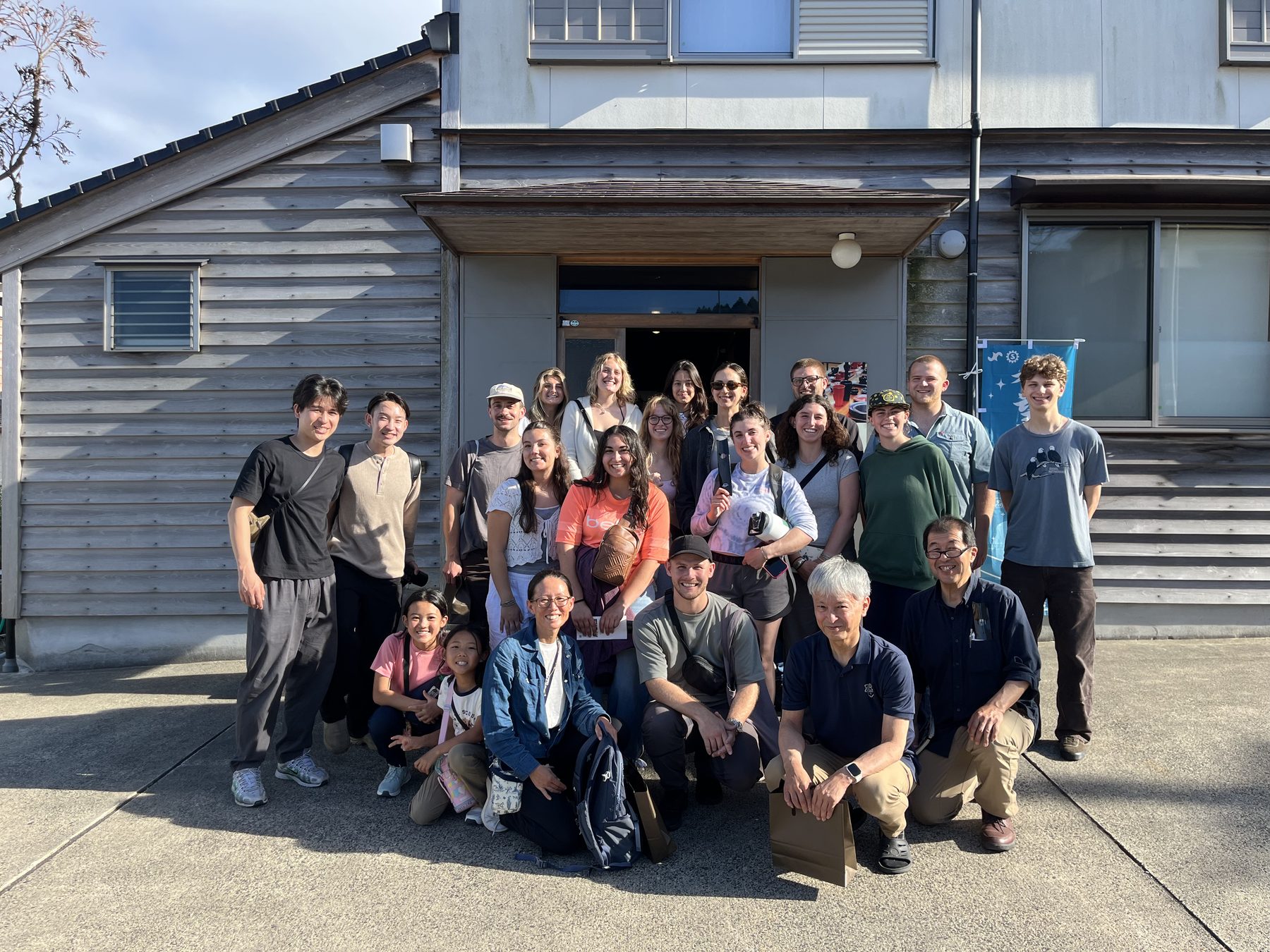
Before leaving, we sat down with the local supporters who made our stay possible and asked them about their work, their background, and their hopes. Each spoke from a different vantage point, and their words became guideposts for our students — future architects in America — as they discover new design philosophies, imagine their careers, and figure out how to carry what they learned in Noto back home.